

- Key Takeaways
- The Art of Pacing
- How to Build Your Europe Itinerary
- Navigating Europe Seamlessly
- Beyond the Checklist
- The Overlooked Logistics
- When to Seek Expertise
- Conclusion
- Frequently Asked Questions
- How many cities should I include in a 10-day Europe itinerary?
- What’s the best way to plan routes between European cities?
- How do I balance must-see sights with downtime?
- When should I book trains, flights, and museums?
- What logistics do travelers often overlook in Europe?
- How do I choose the right travel pace for my group?
- When should I hire a travel expert or guide?
Key Takeaways
- Pace your trip with slow travel and scheduled downtime to prevent burnout and maximize joy. Consider your travel days light days and don’t stack long transfers back to back.
- Begin with your why to orient your itinerary around what counts. Group destinations by region to minimize transit time and expenses.
- Plan a route that heads mostly in one direction, minimizing one-way hops. Use trains for medium distances, low-cost airlines for longer jumps, and cars for rural areas.
- Book travel and accommodations wisely with adaptable rates and convenient locations. Book popular routes and sites ahead of time and leave some unstructured time.
- Figure out each day with a combination of anchor activities and open windows. Supplement with local immersion, such as neighborhoods, markets, and free walking tours, for authentic context.
- Cover logistics early from visas to a realistic budget in euros and offline-ready tech. Consider travel agents for complicated routes, high seasons, or niche interests.
A Europe travel itinerary is a route and schedule that defines key cities, travel time and activities through European countries. Well constructed, it establishes dates, connects train or flight routes, and mixes must-see locations with downtime. Typical plans are 7 to 21 days and cluster close locations such as Paris to Brussels to Amsterdam or Rome to Florence to Venice to reduce transit time. Most travelers take advantage of rail passes for anything under 800 kilometers and hop on short flights for the longer jumps. Off-season months, such as April to May and September to October, aid with lower costs and fewer crowds. Budgets range by city, with days spent frequently higher in Zurich or Copenhagen than in Lisbon or Kraków. Below we detail sample itineraries, transit advice and budget comments.
The Art of Pacing
Pacing establishes the pulse of a Europe itinerary. It contours what you observe, how you experience, and how much you retain. Strive for a plan that is hard enough to pace each day, but fluid enough to embrace change.
Slow Travel
Slow travel means fewer bases and longer stays. If you want one day in a town, book two nights. Get there, sleep, get unpacked and oriented. Day two becomes your actual day. If you show up at noon and leave by noon, you don’t get two days, you get shards.
Staying a few days aids with jet lag, errands, and small work. You encounter locals, try out a neighborhood cafe, or memorize a tram route. A three-night stop in Lisbon, Ljubljana, or Seville allows you to see all the main sights, fit in a day trip, and still have an evening free. Time your visit for the off- or shoulder season. September is good throughout much of Europe to skip the lines and the heat but still catch museums, markets, and parks in full swing.
Travel Days
Consider a move day a half-day, at best. Pack, check out, ride to the station, wait, travel, transfer, check-in. This chain consumes hours. When crossing long distances, fly into one airport and out of another to avoid backtracking, for example, Paris in, Barcelona out. For rail legs under four to five hours, a morning train can still give you a late afternoon museum slot or a quick city stroll.
Schedule every day, but pad one free day per week as slack. This takes up the slack of missed connections, transport strikes, or poor planning. If you have to select, keep vital sights in front. Double check opening days and reservation windows for the Uffizi, Sagrada Família, or Anne Frank House.
Downtime
Rest is not a luxury. It’s part of the plan. Build short resets: a mid-day park break, a quiet lunch off the main square, or a short siesta when heat or crowds peak.
Reserve evenings for featherweight objectives. A river walk, a mini gallery, or a street food market requires less energy but provides powerful memories.
Flex days allow you to recuperate from errands and small business demands. They allow you to pivot for weather, swap a closed venue or tack on a local event you discover that morning.
How to Build Your Europe Itinerary
Construct your itinerary for Europe. Let’s say you’re planning a trip to Europe this summer. Make plans loose, but definite.
1. Define Your Why
Write a short brief: purpose, must-sees, pace, and non-negotiables. Something like, ‘art and food, 12 days in May, 2 cities max, budget €2,500, prefer trains.’ This noise filters set trade-offs.
Trip style with time. A first timer with 10 to 12 days could select two bases, such as Paris and Amsterdam, and include a day trip to Bruges. A return traveler with 14 to 21 days can go deeper, such as a Tuscany farm stay or hiking in the Dolomites.
Fix your budget by big buckets: transport (40 to 50 percent), stays (30 to 40 percent), food (10 to 20 percent), sights and extras (10 to 20 percent). Remember visa regulations, high-priority events, and changing weather each month.
2. Group by Region
Cluster proximal areas to reduce long transitions. Common sets include Iberia (Lisbon, Porto, Madrid), Western Core (Paris, Brussels, Amsterdam), Alpine Loop (Zurich, Lucerne, Innsbruck), Central Europe (Prague, Vienna, Budapest), Balkans (Split, Dubrovnik, Kotor), and Nordic (Copenhagen, Oslo, Stockholm).
Take hubs as bases. Sleep in one city and take a rail day trip under 90 minutes when you can. Examples include traveling from Munich to Salzburg, from Florence to Siena, and from Brussels to Ghent.
Take borders and passes into consideration. Schengen rules impact lodgings and various currencies may incur surcharges. Cross reference ferry seasons for islands and winter cuts in mountain routes.
3. Map Your Route
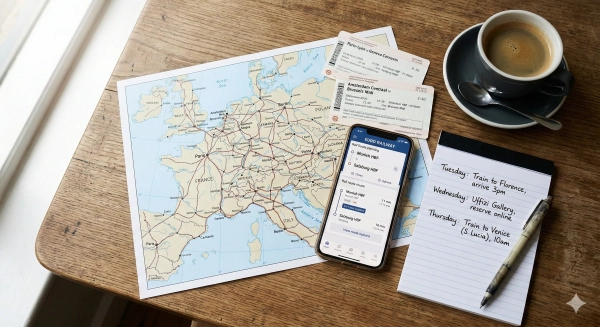
Place pins on a map, then connect a loop or path. Prefer one-way lines to prevent backtracking. Paris to Brussels to Amsterdam to Berlin works clean. Loops suit areas such as Andalusia or Bavaria.
Calculate steps by door-to-door time, not just train velocity. A three-hour rail ride usually trumps a one-hour flight once you factor in airport steps. The cap shifts to one transit day every three to four days.
4. Book Smartly
Secure flights 2 to 4 months out for the shoulder seasons, and a bit more for July to August. Compare open-jaw tickets to avoid backtrack.
For trains, purchase advance fares on national sites for speedy routes and leverage rail passes only if you ride frequently and long distances. Book must-see sights with timed entry, such as museums in Paris, Rome, and Amsterdam. Opt for stays that are close to stations or lines to save time.
5. Detail Your Days
Plan in blocks: morning anchor (museum, hike), midday flex (lunch, walk), late light (market, park). Pile up indoor sights on hot or wet days and maintain one buffer slot every other day.
Preload offline maps, transit cards, and key phrases. Be aware of local holidays and closing days, such as Monday museum closures in parts of France and Italy.
Keep a quick daily sheet: addresses, booking codes, check-in times, backup eat spots. Cut your plans by twenty percent to make room for delays or discoveries.
Navigating Europe Seamlessly
Plan around entry rules, timing, and budget. Verify visa or travel authorization requirements far in advance, verify your passport is valid at least six months after your return, and book in advance the most popular sights to skip long lines. Construct your itinerary with short leaps and allow every city a minimum of two complete days so you’re not sprinting through what you came to see.
By Train
Rail links are dense over much of Western and Central Europe, with fast lines such as Paris–Lyon, Madrid–Barcelona, and Berlin–Munich slashing trips to a couple of hours. High-speed lines frequently require seat reservations, while regional lines rarely do. While in Europe, book popular routes early to get lower prices and more convenient times.
Opt for point-to-point tickets for short hops and passes only if you intend a few long rides within a given period. For instance, a pass can really get its return on a week that has Amsterdam to Paris, Paris to Zurich, and Zurich to Milan. Pack light to hop platforms quickly. Get there 20 to 30 minutes early to locate your coach.
Most stations are located in city centers, which saves you on transfers. Use mobile tickets in apps, monitor platforms on boards and review strike notices days in advance. Budget for food. Stations offer quick choices, but a sit-down lunch in town can be a better deal and a good reset.
By Air
Flights dazzle on long links, like France to Greece or Spain to Poland, where short times and no standard border checks within the Schengen Area turbocharge the day. Flying into a major hub—Paris, Frankfurt, Amsterdam—and then a budget flight is a cost saver, particularly on one-way legs.
Consider baggage regulations and airport shuttles that can easily eliminate savings. Total trip time is important from door to door. Book early for the widest selection and look at both main and outlying airports. Follow expenses in flights, bags, seats, and city transfers to maintain daily costs under control.
By Car
A car works well in rural zones such as the Scottish Highlands, the Dolomites, vineyards in Portugal, or lakes in Slovenia. In large metropolises, parking, traffic, and tolls dent value. Collect outside urban cores to dodge congestion fees.
Know local rules: vignettes on some motorways, low-emission zones, and winter tire laws. Go Europe like a breeze – offline maps, fuel stops, and a daily spend cap that includes fuel, tolls, and hotel with parking. Book attractions in advance, even on driving days, to secure timing and skip lines. Allow each base two days so drives do not crowd out time on the ground.
Beyond the Checklist
Flights, beds, tickets – all checklists. The better plan builds context: how you move, eat, and spend time so each stop feels human, not hurried.
Local Immersion
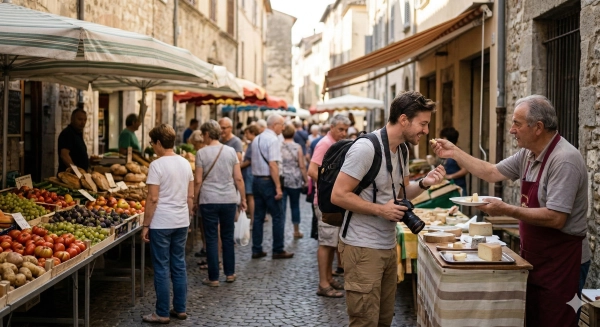
Concentrate on smaller towns for a day or two in between hubs. Trade a night in Rome for Orvieto or share Barcelona with Girona. You get more quiet streets, local markets, and cheaper prices on rooms and meals.
Take food as your map. Choose one specialty per location, such as bouillabaisse in Marseille or pierogi in Krakow, and find out where the locals purchase it. Coffee culture runs deep in Europe. Take a seat at cafés in Lisbon or Vienna and observe the city’s tempo. It establishes a tranquil cadence without much expense.
Utilize common areas. Hop on a free walking tour, a neighborhood festival, or a weekday market. Pose a pragmatic query—where do you grab your lunch?—and record the response. Schedule timed entries for headline sites, then use the freed-up hours to hang out in side streets and small museums instead.
Seasonal Rhythms
Timing defines price, mood, and light. Summer pulls in throngs, while late June and early September manage to straddle warm temperatures and shorter lines. Ferries connect islands and shores quite nicely during the summer. Double check schedules and any high traffic routes, and book early.
Winter squeezes daylight and schedules. Cities contribute with concerts, indoor galleries, and markets. Spring and fall are best for train travel with more stable rates and more temperate days. Rail passes will save you money on multi-country trips and time in the stations. Check point-to-point fares if you ride under three long legs.
For instance, several countries have open borders within the Schengen Area. Flying from France to Greece, you frequently bypass border checks, which eases multi-city hops. Continue having ID handy and monitor visa days if applicable.
Sustainable Choices
Choose trains instead of short flights for routes under 700 km. It’s usually quicker door to door and reduces emissions. Select city-center accommodations to stroll or take the tram. Eat what’s local and in season. It reduces expense and excess while increasing excellence.
Reserve key attractions with skip-the-line or timed slots to minimize crowd stress and your queue time. Establish a daily budget in one currency perspective. This includes meals, transit, and one paid experience. Reserve a space for one unscheduled block a day so you can explore a tip, a café, or a view.
The Overlooked Logistics
Little things determine how an itinerary functions day to day. These tips keep things running at a manageable speed, keep expenses in check, and keep stress to a minimum while navigating between borders and cities.
Visas
Verify entry regulations for each nation along your itinerary, not merely your initial destination. It’s not only Schengen countries stopping at their borders and checking people and stuff. Check your Schengen zone allowance for 180 days and that border hops do not reset that clock. If a visa is required, book consulate appointments well in advance, ensure your travel insurance coverage matches your itinerary, and have financial proof and onward tickets at the ready.
Schedule moves with actual schedules. Long rail segments sell out on peak days. Night trains liberate a day, but require reservations and light bags you can stow quick. Buses can fill in where the rail lines are sluggish. Allow leeway for delays if you have a museum slot or match ticket the same day. Most big attractions close one day a week, usually Monday, so align city days with open hours.
Minimum stays prevent trips from feeling skimpy. Two nights in a town gives you one entire day on the ground. For deeper places, set a floor. At least four days for Kraków works well for the Old Town, Kazimierz, and day trips.
Budgeting
Book flights and rooms early enough to secure lower fares, especially in the peak months and during Europe’s Christmas markets in November and December. Track price drops with alerts, but hold caps to avoid churn.
Weekends jack up rates and crowds in metropolitan areas. Move your flagship visits to mid-week and you’re saving time and money. Browse city calendars for music festivals or games that stress prices and transit. When a big moment hits, either embrace and reserve in advance or detour and come in behind.
Plan with one currency, price in EUR for a floor. Include rail, bus, and local passes only after you map rides you will take.
Technology
About the underrated details: Download offline maps, rail and bus apps, and airline apps for alerts. Store important documents, such as visas, insurance, and passes, in a cloud folder and on your phone. Utilize eSIMs for data when crossing borders, and be sure to pack a universal plug and a mini power bank. Set card travel notices, turn on pins, and have a backup card in a separate bag to hedge risk.
When to Seek Expertise

When time, cost, or access depends on exact planning, go to the experts. Target tips that minimize wait times, secure essential reservations, and leave your itinerary compact and anxiety-free!
Time-Sensitive Entrances and Long Lines
As far as headline sights, expert advice can save you hours. Find out where to buy clear steps for “Skip the Line” or timed-entry tickets at the Louvre, Vatican Museums, Sagrada Família, Anne Frank House and more. An expert can point out opening day windows, prime entry slots and combo passes with express lanes. For attractions that sell out quickly, such as the Harry Potter Warner Bros. Studio Tour in the London vicinity or the Jacobite Steam Train in Scotland, request specific booking timelines, official links and backup dates. Great tips include security line realities, so you don’t think ‘skip-the-line’ means skip all lines.
Peak Seasons and Crowd Patterns
Expert input aids selecting the optimal week and hour. Ask for data-backed windows: shoulder months, midweek visits, and early entries right at opening. Pros can align with local school holidays, cruise itineraries, and key events that increase lines in Paris, Rome, Amsterdam, or Santorini. They can highlight less frenetic alternates, such as diminutive Tuscan villages versus peak Florence weekends, and recommend half-day strategies to avoid mid-day crush.
Rail, Routes, and Passes
Train planning in Europe pays off when done early on popular routes: Paris–Amsterdam, Rome–Florence, Madrid–Barcelona. Consult an expert to weigh point-to-point fares against rail passes, demystify seat reservations, and chart how far ahead to book to hit lower tiers. They can connect cross-border idiosyncrasies, night-train berth categories and station changes and indicate where a flight trumps rail by time or cost.
Itinerary Shape, Budget, and Bookings
Seek help to set hard choices: what to drop, what to move, and how to bunch sights by neighborhood. An expert can match your ‘must-sees’ to your days and budget, then secure key bookings such as accommodation, essential museums, and special meals so you’re not scrambling at the last minute. Request price bands in EUR, deposit rules, and cancel windows to keep options open.
Local Transport, Connectivity, and On-the-Ground Setup
Tips on metro cards, bike share networks, and ride apps minimizes friction. Inquire about purchasing a local SIM at the airport, setting up eSIMs, and contactless pay on metros. Plus advice on airport-to-city routes, late-night options, and city passes with transit and entries.
Conclusion
For a Europe trip that actually tastes smooth, outline goals and time days. Rail for the mid-range hops. Reserve important tickets ahead of time. Leave one flex day per week to breathe. Select accommodations that are close to transit routes. Travel light. Secure travel times to coincide with local rush hours.
Real victories emerge from tiny decisions. Catch an early train from Paris to Lyon to beat the queues. Pick up a 48-hour transit pass in Berlin to save money. Reserve a long lunch in Rome at midday for shade. These moves add calm and save time.
Feel like a fast jumpstart? Set your must-see list, limit it to five, map it by rail time and test the flow. Want some help? Tell us your dates and musts and receive a lean plan.
Frequently Asked Questions
How many cities should I include in a 10-day Europe itinerary?
Shoot for 2 to 3 cities. Spend 3 to 4 days in each. This slower pace cuts down on burnout, decreases transit time, and enhances your experience. Concentrate on proximate hubs connected by rapid trains for easy travel.
What’s the best way to plan routes between European cities?
Take rail most of the way. High-speed trains are fast, central, and reliable. Or check national rail sites and passes. For long distances, compare budget flights. Always factor total time, including airport transfers, security, and boarding.
How do I balance must-see sights with downtime?
Save one to two must-see sights a day. Factor in downtime for rest and exploration. Cluster attractions to reduce transfers. Plan a light day following a heavy travel day. That keeps energy high and averts burnout.
When should I book trains, flights, and museums?
Reserve key trains and flights six to ten weeks in advance. Book timed museum entries and hot landmarks ahead, particularly if you are traveling in peak season. Keep some slots open for flexibility. Advance bookings lock in rates and minimize hassle.
What logistics do travelers often overlook in Europe?
Local transit passes, city taxes, plug adapters, data plans and baggage rules. Verify days of operation, siesta times and strike notices. Store offline maps and tickets. These minor conveniences save both time and money.
How do I choose the right travel pace for my group?
Adjust pace to interests and energy. Families and first-timers fare better with fewer bases. Experienced and solo travelers can zip through a bit quicker. Keep in mind mobility requirements, travel season, and daylight. Now test your plan with a sample day.
When should I hire a travel expert or guide?
Need assistance with complicated routes, multi-country rail, high-season travel, or niche interests. Pros fine-tune timing, book hard-to-get reservations, and customize experiences. This is helpful when time is pressed or stakes are high.
Not what you were looking for? Explore Travel Envy’s curated travel resources for expert itinerary planning and seamless global escapes.
European Destination Weddings and Honeymoons
Group and Family Europe Travel Planning
Want to explore official travel regulations and destination insights? Visit trusted tourism boards and cultural resources to support your Europe travel itinerary planning.
European Union Travel Policies