
- Key Takeaways
- Understanding Generational Divides
- How to Plan Multi-Generational Trips
- Choosing the Right Destination
- Designing a Flexible Itinerary
- Navigating Group Dynamics
- Why Expert Help Matters
- Conclusion
- Frequently Asked Questions
- What is a multi-generational trip?
- How do I choose the best destination for all ages?
- How do I plan an itinerary that suits different generations?
- How can we avoid conflicts during a multi-generational trip?
- What type of accommodation works best for multi-generational trips?
- Why should I work with a travel expert for a multi-generational trip?
- How early should I start planning a multi-generational vacation?
Key Takeaways
- Multi-generational trips succeed when planners are cognizant of varying needs in terms of mobility, sleep, food, and pace, with each generation feeling seen and included. Begin by having a transparent discussion about sightseeing versus downtime expectations to prevent frustration down the line.
- An open daily schedule that breaks up active time with frequent rest adapts well to varying energy levels. Sprinkle in a few scheduled “anchor” activities, but leave lots of downtime so the kids, parents, and grandparents can all experience the trip at their own pace.
- By mixing in a variety of interests, like cultural outings, outdoor adventures, and food-centric experiences, you guarantee that every age group has something to anticipate. Rotate activities and allow splinter groups so no one is jammed into a one-size-fits-all itinerary.
- Transparent money talks and easy cost-sharing mechanisms ease financial tensions between generations on multi-generational trips. Decide on budgets for lodging, food, and activities ahead of time and then use a spreadsheet or app to keep tabs on communal expenses.
- Rock solid group dynamics stem from open communication, established roles and responsibilities, and reasonable expectations. Utilize shared calendars, group text threads, and pre-established rules of the road regarding engagement, quiet time, and device usage to maintain peace on the expedition.
- Opting for convenient, family-friendly locations and, if you can, collaborating with a specialist travel advisor can simplify complicated logistics. Professional assistance can ensure accommodations, age-appropriate activities and special celebrations are all taken care of so family members can just enjoy being together.
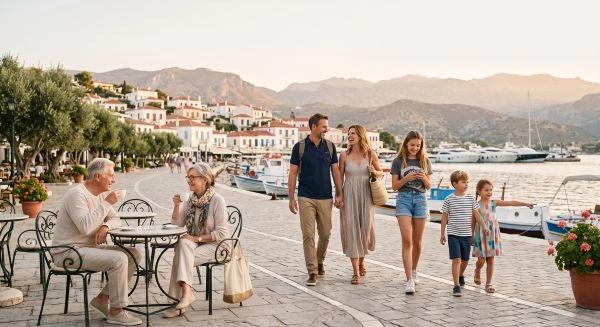
Multi-generational trips are shared vacations that include at least three generations of a family, such as grandparents, parents, and children traveling together. Families take these multi-generational trips to be in one spot, share expenses, and mix travel requirements. A traditional multi-generational trip could combine leisurely days for the seniors, convenient alternatives for the parents, and more energetic adventures for the children or teenagers. Many families opt for rental homes, resorts, or cruise ships that have a combination of room types and activities on site. For families considering a vacation where accommodation, dining, entertainment, and activities are conveniently combined, cruising can also be worth exploring. We usually plan with access, minimal travel time, and uncomplicated logistics that make sense across generations. The following sections detail important steps, typical pitfalls, and how to keep everyone engaged and stress-free.
Understanding Generational Divides
Multi-generational trips are most successful when you organize around actual differences in bodies, habits and preferences, rather than presuming everyone desires the same day. Mobility, sleep, meals and even noise tolerance can shift sharply between a 4, 40, and 74-year-old. Those divides become apparent quickly when you’re sharing rooms, transportation and long days together.
Between generations, it’s usually mobility that defines the boundaries. Some grandparents are fine to walk a mile, while others, handicapped cousins or moms pushing strollers require lifts, level terrain or breaks. Sleep and meals can clash too: young kids may wake early and eat often, while teens might sleep late and want one big mid-day meal. Older relatives may prefer regular, lighter meals and quiet evenings. A 4-year-old and a 74-year-old might want totally different things from a given day, and both are legitimate.
Sightseeing anticipation tugs in conflicting directions. Other adults love packed days with museums, tours, and restaurants. Teens might opt for a day with absolutely nothing scheduled and time to wander on their own or online. Grandparents may appreciate a couple of key views and then a peaceful afternoon with the family. When one insists on ‘seeing it all’ and the other silently requires downtime, friction arises and minor decisions, such as bypassing a rest stop, can color the entire tenor.
Key practical challenges often repeat on multi-generational trips:
- Designated room configurations for strollers, mobility aids and light sleepers.
- Car seat and toddler-friendly transport options
- That aren’t so active that they leave the kids bored or grandparents in pain.
Assumptions are generational Kryptonite, so it’s useful to check in first rather than assuming who is craving what or who can manage a long day. Strategizing with the youngest and least mobile in mind and folding downtime into each day takes stress off of all. One person’s inconvenience can sour the whole group. When everyone’s boundaries are acknowledged and honored, multi-generational travel is meaningful and doable.
Pacing
Different generations have different energy levels. When planning around older travelers, accessibility and the surrounding physical environment can have a major effect on mobility and independence. The World Health Organization’s guidance on age-friendly environments highlights the importance of removing physical and social barriers and creating environments that support mobility and participation. Little kids and old or disabled people all pretty much run out of steam right around the same time in the afternoon. Daily schedules function best when you craft them around the most vulnerable energy in the pack, not the strongest. That could translate to beginning with a common morning session, a silent period post-lunch, and supplementing with optional evening sessions for those still feeling peppy.
Short breaks throughout the day keep things flowing. Even a 20 to 30 minute break for water, shade, or a café seat can reset kids teetering on a meltdown and older relatives on the cusp of a pain flare. This means that building downtime into every single day is less about being “lazy” and more about avoiding the crash that occurs when you push small children and grandparents past the same limit point.
Stuffing the day full with back-to-back events often appears productive on paper, but is exhausting in reality. A slower plan that pairs one big sight with a long lunch and a park stop or picnic in a shaded spot keeps more people happy longer. It’s not about riding more; it’s about keeping the most people in good spirits by dinner.
Sample pacing chart for a mixed‑age day:
- 08:00–09:00: Easy breakfast near lodging
- 09:30–11:30: Single “big” activity (museum, walking tour, beach)
- 11:30–13:30: Long lunch and unstructured rest
- 13:30–15:00: Optional light outing or hotel/house quiet time
- 15:00–17:00: Park, pool, or simple nearby activity
- Evening: Flexible dinner, early night for some, short walk or dessert for others
Interests
Tastes within a single family can be very diverse, so it’s easier to just ask each individual member what they really like rather than trying to guess. A quick pre-trip survey, either via group chat or a shared doc, can inquire about the group’s desired activities, such as food tours, cooking classes, outdoor adventures, or alone time. When they see their own thinking reflected in the plan, they are ready to compromise on less important elements.
One hand rotating experiences balances those needs. One day could be a ‘cultural’ visit with street food, the next a ‘quiet’ beach visit with simple games and another a guided walk through the city with a playground interlude. Over the course of a week you can intersperse educational family visits with lazy pool days and one or two “big” cultural outings so nobody’s age group feels left out.
You can weave in little touches that resonate specifically with each generation. A special chef’s dinner or tasting menu might entice adults and grandparents with a taste for fine food. A quick wine tasting with a stroller-friendly, ‘safe place to scribble’ type thing happening nearby can work if you verify local regulations. Kid-friendly stops, science centers, aquariums, or family-friendly bike rides provide younger travelers something to anticipate rather than endure a day of listening to grownup plans.
One easy way to keep things fair is to construct a must-do list by age group. Younger kids may select a zoo or boat ride, teens may pick a shopping stop or live music, adults may choose one local market and one peaceful coffee house, and older relatives may ask for a scenic drive with lots of pit stops. You don’t have to cater to every desire, but identifying these things early allows you to plan a balance of fun, education, and genuine downtime.
Budgets
Money can be a silent saboteur on multi-generational vacations, as not all of us earn the same amount or are equally comfortable with splurging. Definite boundaries for lodging, food, and things to do ensure you don’t have any uncomfortable situations when someone feels coerced into paying an expense they weren’t anticipating. A straightforward scope, such as a nightly room budget per room and an approximate daily food budget per person, provides you a common reference point.
Serving various meal styles keeps expenses malleable. Some nights may be a special gourmet dinner or slick lunch. Other days you can cook in a rental home, shop at markets, or have casual picnics. This blend leaves space for grandparents who want to indulge and uncles who have to be frugal without dividing the band every time.
Cost-sharing options for group expenses can be handled in a few clear ways:
- Even division per adult. All adults contribute an equal portion of shared expenses such as rental homes, shared taxis, or group tours while kids are included under their parents or guardians. This is easy but might not fit families with big income disparities.
- Fractional divide by earnings or resources. Brothers and sisters or cousins decide that the higher-earning ones cover a bigger percentage of some expenses, like housing or big trips. This requires upfront candid discussion and can alleviate stress on more constrained budgets.
- Pay-your-own-way for optional frills. Fundamental things such as accommodation and uncomplicated group meals are shared, but extras like spa treatments, fine wine tastings or additional excursions are paid for just by folks who participate. This shields those who value low costs.
- Taking turns hosting meals. Each family ‘hosts’ one dinner or event within a predetermined price range in a common currency, for example, 80 to 100 per family for a meal, deciding where and how to spend it. Over a few days, costs balance out without fine-grained accounting.
A simple budget spreadsheet, even in a shared sheet, can list anticipated housing, food, local transportation, group activities, and optional items per traveler, including approximate amounts for such things as souvenirs or individual snacks. If they all know the plan ahead of time, it’s easier to say yes or no without guilt.
Stamina
Stamina tends to determine whether a day goes swimmingly or pulls you down, so it helps to schedule around the lowest toughness participant. Toddlers may zip around at dawn and then face plant post-lunch. Parents have been juggling both kids and logistics so their energy runs out later. Elderly or disabled relatives might manage light activity but require consistent pacing, shade, and benches. When organizing a multi-generational excursion, factoring in the requirements and capabilities of the youngest and least mobile typically results in an enhanced experience for everyone!
Mixing energetic activities with quieter ones prevents the group from exhausting itself. A hike, swim, or energetic city tour goes hand in hand with a leisurely breakfast, the discovery of local artisans, or time spent in a peaceful garden. That way, those who wasted a lot of energy in the morning know a gentler block is on the horizon, and those who eschewed the hard outing can still participate in the chill block.
Looking for the signs of fatigue, short tempers, dragging feet, and unexpected silence from otherwise loquacious relatives is more helpful than holding onto the schedule. Going into it prepared to shorten one sight, make dinner earlier, or divide and conquer smaller groupings can save the vibe. On a large family vacation, one member’s unhappiness pulls everyone down, so these real-time tweaks are worthwhile.
Basic materials assist as well. Protein snacks, lots of water, sun hats, layers for cool evenings and comfort items like a light travel pillow, small toy or book can extend all of your endurance. Centering the day around the collective low-energy dip in the afternoon when toddlers and seniors alike often get weary and scheduling naps, quiet reading or indoor breaks at that point fosters a calm, upbeat vibe throughout the entire vacation.
How to Plan Multi-Generational Trips
 Planning begins well before anyone folds a shirt into a suitcase. The goal is to target their needs, money, and time to get it all to line up for the kids, us, and older relatives without making it a power play.
1. The Family Summit
Conduct a brief “family summit,” either online or in person, where each generation trades must-haves and deal-breakers. Ask clear questions: quiet evenings or nightlife, museums or nature, self-catering or all-inclusive. Get this down in a shared note so nothing is left to memory.
Discuss daily habits in layman’s terms. When folks like to eat, nap, or sleep, who needs quiet at night, and who gets up early. Cover food preferences and needs in detail: allergies, vegetarian or halal diets, picky toddlers, or grandparents who need lighter meals. This allows you to vet locations and hotels with appropriate choices.
List key milestones so the plan protects them: a 50th anniversary dinner, a special birthday, a graduation toast. These ‘anchor’ moments steer your itinerary and budget.
Establish rules of speaking out, switching plans and complaining. For instance, agree that each can guiltlessly opt out of any activity and that issues go to one or two key planners, not a group argument.
2. The Money Talk
Get an honest budget discussion early. Cover per-person total ranges, how many nights you can afford, and separate estimates for flights, rooms, meals, and activities.
Clarify shared costs: airport transfers, group tours, villa rental, and big family meals. Then choose an easy divide approach, for example, by family for accommodations and by individual for activities.
Take advantage of a shared sheet or travel app where you can have one designated person input payments, who tagged along, and who owes what. It helps a lot with awkward follow-up talks in or after the trip.
3. The Destination Debate
Narrow down a list of locations that provide a balance of both peace and adventure. Think beach resorts that have excursions, cultural cities with parks and markets, or all-inclusive resorts that offer a mix of activities and relaxation. Review climate by month, travel time, medical facilities, and stroller or wheelchair accessibility.
Map possibilities to age group and interests. If there are toddlers, is there shade and safe water access and nearby playgrounds? For teens and adults, they can snorkel, jump on a bike tour, or enjoy a street-food walk. For more senior family members, there are level trails, benches, and museums with elevators.
Look at destinations that have the multi-generational thing well handled. Galápagos cruises offer guided walks at varying levels of difficulty, Caribbean resorts feature kids’ clubs and tranquil beaches, or African safari lodges provide both gentle game drives and pool time. Once you have three or four viable options, distribute the pros and cons and conduct a family vote factoring in cost, visas, and special interests such as wildlife, culture, or food.
4. The Accommodation Angle
Decide where you’re going to stay with everyday living in mind. Villas, apartments, or connecting rooms offer shared space and privacy, and full kitchens come in handy for early kid meals, snacks, and special diets. These choices tend to book out months in advance, so early reservations count, especially during peak seasons.
Look for on-site features for all ages: shallow or heated pools, kids’ clubs, quiet corners for grandparents, elevators, ramps, and rooms near each other but not all in a row. See if the estate can arrange high chairs, cots, or shower stools.
Plan ahead for meals. You can schedule private family dinners, book a large table at breakfast, or pre-order kids’ meals. A basic comparison chart helps: hotels versus villas versus resorts, listing privacy, price, food options, and ease of movement for older relatives.
5. The Activity Blueprint
Construct an outline itinerary around several anchor activities. Think of a cooking class focused on regional specialties, a food or market tour, a family fishing expedition, or a boat trip. Add age-based layers. Include soft hikes or playground visits for young kids, zipline or bike outings for teens, wine tasting or gallery tours for adults, and relaxed scenic drives for grandparents.
Strive for a balance of sightseeing, relaxation, and light adventure during the week. Schedule a few communal meals, including group dinners, a designated “celebration night,” and perhaps a surprise lunch with local specialties, to ensure you’re all gathered together around the table.
Leave open blocks every day so people can nap, read, swim, or explore independently. Be explicit that it’s okay to separate by interest or energy level and regroup later. This mix of structure and downtime keeps the trip fluid, minimizes stress, and allows room for those small, spontaneous moments that tend to make the best memories.
Choosing the Right Destination
About: Selecting the appropriate location It needs to work for the napping toddler, the teen who demands Wi-Fi and adventures, the parent with 10 activities to coordinate, and the grandparent who might be slower-moving or require medical attention. A handy rule of thumb is to schedule around the youngest and most immobile. If they’re comfortable, everyone else generally follows.
I find that destinations with a mixture of experiences work best. A city like Singapore is a good example. You get food from many cultures, calm green spots like gardens and parks, and fun attractions for kids and teens, often within a short ride of each other. Somewhere like Hawaii can cater to many ages as well, with gentle hikes and snorkeling for the active and quiet beaches or pools for rest. The goal is simple. Each generation should feel they can have their own “trip within the trip” without splitting the group.
Convenience determines how laid back the vacation is. Long flights with multiple close connections can exhaust aging grandparents and young children prior to the holiday even beginning. Nonstop or one-stop routes, reasonable flight times, and airports with good support services all go a long way. When you get there, convenient public transport and obvious signs make group navigation easier. Cities like London with great networks can be easier with a big family. Trains, buses, and the metro reduce the need for multiple taxis or long walks, which is a bonus when someone tires quickly or uses a stroller or wheelchair.
Crowd level and pace count. A slower, less packed city is often kinder for a wide age range. Most medium-sized cities in Spain, for example, have walkable centers, public squares in which kids can roam, and a more laidback pace that doesn’t force an everyone everywhere NOW pace. When you couple that with built-in downtime at a communal home base, the trip generally feels more humane for everyone.
These family-friendly amenities can break or make life on the road every day. A flat or house with a large kitchen and a downstairs or lift-accessible bedroom provides you a space to convene, make easy meals, and sleep. This is much less of a headache than reserving multiple single hotel rooms. Seek locations near parks, beaches, or short walking paths, so there’s a simple excursion even on low-energy days. Local cafes, easy dining, or food trucks assist when no one feels like making dinner, and having a variety of tastes covered makes feeding fussy kids and food rule eaters less dramatic.
Safety and health care should rank high on the list. Find out if the neighborhood is considered safe, how late you’re comfortable wandering, and if there are hospitals or clinics nearby within a couple of miles. This is even more crucial if you’re traveling with seniors, toddlers, or someone with a chronic illness. It assists in observing how the destination caters to special diets, such as vegetarian, halal, gluten-free, or low-salt. Certain restaurants and locations display allergens on menus and accommodate many options which will alleviate daily organizing and minimize danger. More often than not, a calm, less congested location with direct access to treatment and convenient dietary accommodations provides everyone with greater peace of mind.
Designing a Flexible Itinerary
 A flexible itinerary for your multi-generational trip keeps the stress down while still providing your group with much-needed structure. The goal is to mix in fixed activities, breathing space, and some flexibility for varying appetites so no one feels hurried or excluded.
Anchor Activities
Anchor activities are those ‘absolutely have to’ moments that unite the entire crew. This is the stuff they’ll be discussing years later. A morning ride and campfire dinner at a humble dude ranch, a sunset meal at a secluded hacienda, or a guided street food stroll in an old neighborhood all could do the trick. The trick is to select only one or two of these per day and keep them within a short travel radius so that the older relatives and young kids aren’t fried by long bus rides.
It really is a huge time-saver to pre-book these types of activities to avoid disappointment. Group food tours, ancient pottery classes, a family surf lesson, or guided walks through a nature reserve all tend to sell out, particularly in high season. Pre-booking allows you to share clear details with everyone: start and end times, walking distance, and what is included, so different generations can judge if it suits their comfort level. For big moments like a 50th wedding anniversary, a milestone birthday, or a reunion photo, give these moments prime real estate on your schedule and plan lighter days surrounding them.
A simple way to set expectations is to group anchor activities by “energy level” and style:
- Calm and seated (river cruise, classical concert, tea ceremony)
- Light movement (market tour, city tram ride, cooking class)
- Active (hiking, cycling tour, kayak trip)
- Celebration-focused (anniversary dinner, birthday brunch, family photo shoot)
Free Time
Downtime assists all ages in dealing with jet lag, heat, and social exhaustion. Blocking one wide window each day, for example from 14:00 to 17:00, gives everyone a chance to reset without guilt. On toasty days, grandparents may recline in the shade as kids splash or play cards.
Provide a rough menu of options so folks don’t get lost. One reads on the balcony, one samples local coffee at a small café, while a few visit a market nearby, try some pastries, or take a slow walk along the waterfront. Others might just sleep with the drapes drawn and the bedroom chilly.
Framing downtime as part of the plan, not a failure of it, helps keep tension away. When we each know rest is built in, there’s less pressure to “do it all” and more energy remaining for shared dinners or evening walks.
Splinter Groups
Splinter groups enable individuals to go at their own rate without destroying the feeling of a group expedition. Adults might hang a few hours at a wine tasting or contemporary art museum, while teens participate in a street photo walk and little kids check out a theme park with rides or a simple playground.
Each splinter group should have an obvious point person who takes care of directions, tickets, and a shared chat group. That person sets simple rules: meet at the tram stop at 18:00, share your live location, and carry enough cash or a card for snacks and taxis. Brief annotations in the shared itinerary (whom, where, when) reduce misunderstanding.
Shoot for age-appropriate selections. Foodies might take in a cheese or bakery tour. Grandparents who like peace and tranquillity could go to a botanic garden or a quiet church. Kids can experience puppet shows, interactive science zones, or brief animal interactions.
These regular check-ins maintain the whole trip cohesive. A nightly dinner, even if it’s just in the hotel restaurant or somewhere close by, allows everyone a chance to share stories, share photos, and collectively determine the next day’s groups.
Navigating Group Dynamics
Multi-generational trips are at their best when everyone understands what’s happening, what’s expected, and how to say something when it’s not. Healthy group organization minimizes tension, accommodates diverse ages and skill levels, and allows more room for genuine collective experiences.
Communication
Begin with a straightforward image of your traveling party. In one tribe you may have a couch-ridden grandpa, work-from-home parents, and night owl teens. Set up one primary channel, such as a group messaging app, and agree that important updates post there. For larger groups in a shared house, a quick check-in each morning at breakfast can keep everyone on the same page without making the trip feel like a meeting.
Share the basics in writing: daily schedule, meal plans, and main meeting points. A foolproof one-page plan, both printed and in the group chat, eliminates redundant inquiries and guesses. It’s nice, but it assists the older relatives who like paper and the younger ones who are phone-based.
Navigate group logistics via visual tools when you share a house or big vacation rental. A whiteboard on the fridge with the day’s plan, quiet hours, and any changes provides immediate clarity. This is even more important when a few people nap, some work online, and kids come and go all day.
Welcome candid feedback. Inquire if the pace seems too quick, if mealtimes are too late for toddlers, or if the elders and disabled require additional respite. Misunderstandings frequently arise from silence and speculation, not from the actual matter. Open discussion allows you to make course corrections on the fly rather than holding onto stress for the remainder of the journey.
Roles
Clear roles are useful when a lot of people occupy the same physical space and time. Instead of one ‘default organizer’ doing it all, distribute work based on skills, energy, and interest. A grandparent could schedule relaxing cultural excursions, while a teen manages photo sharing and playlists. This strategy honors diverse talents and prevents the primary organizer from exhausting themselves.
Just switch up common responsibilities so you’re not always the shopper, cook, or cleaner. One day a duo manages breakfast and grocery runs. The next, someone else runs point on a picnic or easy group game in the evening. It’s these little mutual endeavors that often end up being the true bonding moments, particularly in cramped shared quarters that can induce exhaustion.
Assign a go-to for emergencies, transport queries and medical needs, and ensure that everyone has that individual’s phone number and copies of essential information. In large cities or crowded attractions, having an idea of who you’ll call and where you’ll meet if separated gives seniors and kids more courage to investigate.
- Lead planner: chooses destination with broad appeal, gathers input on budgets, diets, and abilities, and creates the base itinerary with built-in rest.
- Logistics coordinator: Handles bookings for transport and rooms, confirms accessibility needs, and tracks check-in times and tickets.
- Food lead manages meal planning, notes allergies and preferences, books restaurants that can handle mixed diets, and schedules simple “at home” meals.
- Activity coordinator curates activity options at different energy levels, marks which are optional, and organizes smaller groups when interests split.
- Wellness and safety contact keeps a list of medicines, emergency numbers, local clinics, and checks that rest periods suit both young children and older or disabled travelers.
- Communications lead: Sets up group chats, keeps itineraries updated, and reminds the group about meeting points and quiet hours.
Expectations
Talk about expectations before you book. Sort out group meals, how much time you actually intend to spend together, and what ‘quiet hours’ means in a shared rental. This early talk helps when one branch of the family wants late-night chats and another needs children in bed by 8:00 PM.
Discuss general boundaries for screen time, bedtimes, noise, etc., particularly if you’re in close quarters. For example, devices should be on silent after 21:00 in shared rooms or there should be no loud calls in common areas during nap windows. Easy consensus rules keep parents from feeling isolated in setting boundaries and allow grandparents to relax.
Determine which events are core group moments, such as one memorable dinner or a half-day excursion, and which are optional. When they know that certain tours or hikes are ‘come if you like,’ they’re more comfortable guiltlessly walking at their own speed. Smaller groups can break off to museums, parks, or cafés while others crash.
Review expectations once on the ground. If it’s too jammed for grandpa’s knees or toddler timidity, scale it back. Pick locations and activities with both high energy and quiet areas close by, so no one gets left out or pushed too hard. A little nightly check-in can recalibrate plans before frustration takes hold.
Why Expert Help Matters
 Multi-generational trips involve various ages, energy levels and comfort requirements simultaneously. Expert assistance keeps all those fragments from tugging different ways and transforms them into a single focused strategy.
About: Why professional assistance counts That can mean coordinating flights that arrive within an hour of each other, arranging ground transfers with room for strollers and wheelchairs, and securing rooms on the same hotel floor so everyone can easily check in on grandparents or teens. For your family of 10, spanning three generations, that could mean connecting flights from two different continents, a private van that accommodates luggage and a foldable walker, and a welcome dinner in a secluded restaurant room so everyone can hear each other. They know which resorts have bona fide accessible rooms, which cruise lines can provide kids’ clubs and calm lounges, and which restaurants can accommodate allergies and mixed diets.
A knowledgeable travel advisor can help align every option to the actual people traveling, from grandparents who need more downtime to children who want activities and teenagers who want independence. They see who loves museums, who needs a post-lunch nap, and who is seeking a sunrise hike. They then recommend things like a city tour with light walks and a café break, a half-day boat trip instead of an all-day one, or two simultaneous activities where teens go zip-lining as grandparents take a scenic train ride. This kind of plan prevents guessing, such as assuming Grandpa doesn’t want to participate in active days or that kids can’t appreciate a cultural landmark if it’s well reframed.
Experts serve as a point of contact. One manages hotel bookings, airport transfers, private guides, birthday dinners and even cake orders. They recommend securing must haves early so spacious villas, family suites and group activities exist and fit. They help to manage expectations, propose achievable daily objectives, incorporate downtime and provide easy scripts for navigating conflicting perspectives, all of which decrease stress and foster improved communication.
Conclusion
Multi-generational trips require care, time, and transparent communication. They can seem rough at first. Various ages, requirements, and habits are all in one bunch. Yet, communally experienced journeys forge deep bonds to endure.
To plan big, begin little. Establish a hard budget. Discuss needs, not just desires. Choose locations with easy trails, secure accommodations, and convenient means of relaxation. Let the plan be loose. Sprinkle in short blocks for group time and leave space for downtime. A teen could desire a bike ride. A grandparent might desire a lazy stroll and a silent café. Both will fit.
To take it a step further, choose a trip idea, talk it up with your clan, and get the conversation going today.
Frequently Asked Questions
What is a multi-generational trip?
By definition, a multi-generational trip is a vacation that spans several different age groups, typically grandparents, parents, and children. The objective is to bond, build memories, and share moments that span across ages in a single well-crafted expedition.
How do I choose the best destination for all ages?
Select a location with diverse things to do, convenient transportation, and excellent medical facilities. Scout out kid-friendly activities, safe zones, and rooms with common areas. Steer clear of extreme climates or complicated, lengthy travel when you have aging relatives or toddlers in tow.
How do I plan an itinerary that suits different generations?
Design an open itinerary with optional excursions. Include slow mornings, built-in rest time, and options for both active and laid-back experiences. Keep travel days light. Plan activities that are suitable for all ages and do not overschedule, so everyone can take things at their own pace.
How can we avoid conflicts during a multi-generational trip?
Establish expectations ahead of your journey. Talk about budget, pace, privacy and non-negotiables. Cut out independent time for everyone. Honor varying energy levels and schedules. Good communication and adaptability alleviate stress and maintain the emphasis on togetherness, not conflict.
What type of accommodation works best for multi-generational trips?
Think villas, apartments, or interconnecting hotel rooms so that everyone has their own privacy and shared space. Search for elevators, few stairs, and kid-friendly amenities. A kitchen and laundry come in handy for longer stays. Shared spaces foster connection with complementary bedrooms to allow for rest and recuperation.
Why should I work with a travel expert for a multi-generational trip?
A travel expert knows how to navigate age-specific needs and can recommend appropriate destinations, activities, and hotels. They manage logistics, special needs, and contingencies. Their experience eliminates stress, saves planning time, and prevents expensive mistakes for a smoother, more enjoyable trip.
How early should I start planning a multi-generational vacation?
Begin planning 6 to 12 months in advance. This gives you time to coordinate schedules, find available rooms, and book activities suitable for the entire family. Planning early provides more choices, particularly for peak seasons, and allows everyone ample time to prepare in body, budget, and mind for the journey.