
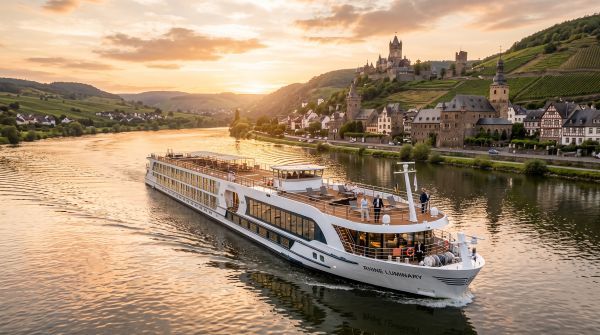
- Key Takeaways
- Why Choose European River Cruises
- Match Your River to Your Style
- The Evolving River Experience
- Planning Your 2027 Voyage
- Beyond the Riverbanks
- Your Personalised Journey Awaits
- Conclusion
- Frequently Asked Questions
- Are European river cruises worth it compared to ocean cruises?
- Which European river is best for first-time cruisers?
- When should I book a European river cruise for 2027?
- What is typically included in a European river cruise fare?
- How long is a typical European river cruise?
- Are European river cruises suitable for solo travelers?
- Can I customize my river cruise itinerary?
Key Takeaways
- With European river cruises, you can visit several of Europe’s most iconic cities and villages and only have to unpack once. This mode of travel appeals to those who enjoy a leisurely pace with minimal planning.
- Smaller, intimate ships provide access to quaint towns and city centers that huge counterparts can’t reach, alongside attentive service and a more peaceful onboard environment. Travelers can step directly into historic districts, markets, and landmarks without long transfers.
- Each major river boasts its own unique personality, from the Danube’s grand capitals and the Rhine’s castles to the Rhône and Seine’s French culture and the Douro’s wine country. Pairing your favorite type of scenery, pace, and culture with the appropriate river helps craft a more enjoyable itinerary.
- Today, European river cruises are all about sustainability, wellness, and culinary immersion with eco-conscious initiatives, fitness and spa offerings, and immersive food and wine experiences. Travelers can select lines and routes that resonate with their values and lifestyles.
- Thinking ahead about 2027 — early booking, smart cabin choices, flight coordination — adds selection and value. With pre- and post-cruise stays and thematic excursions, travelers can transform a river cruise into a full-on European vacation.
- Working with a specialized travel advisor like Travel Envy can help simplify these complicated decisions and lock in customized itineraries, hotels, and tours. This assistance allows travelers from Canada or other long-haul destinations to experience a seamless, hassle-free trip.
European river cruises are journeys on the Danube, Rhine, Seine, Douro, etc. Where you travel from one city or town to another on a small cruise boat. They call frequently to historic centers, wine country, and cultural landmarks that nestle near the water. Even though you’re on a boat, many routes cover several countries within a week, helping people experience a variety of languages, cuisines, and local customs in an impressively small amount of time. Ships are typically smaller than ocean liners, so they dock close to city centers and reduce those long bus rides. To navigate routes, seasons, budgets, and cabin types, the upcoming sections detail some key rivers, sample itineraries, cost ranges, and tips to plan a trip that fits your pace.
Why Choose European River Cruises
European river cruises provide you with a beautiful, straightforward method of sampling big cities, quaint towns and historical monuments in a single vacation, without the hassle of managing trains, rental cars and endless hotel switches. With most itineraries running seven to ten nights, European river cruises fall neatly into busy work calendars and still feel like a full, rich break.
1. Unpack Once
Cabins vary from spartan, functional spaces to suites that border on the experience of a tiny boutique hotel, frequently featuring floor-to-ceiling windows or a balcony. You unpack once and your ship glides softly between countries, so you avoid the check-in, check-out, and bag-struggling-through-the-train-station routine.
That actually saves time and effort. Rather than repacking after two nights in Vienna or Budapest, that hour can be used to stroll a market, visit one more gallery or savor a coffee by the river.
You have the same bed, shower, Wi‑Fi, and storage the entire time, reducing travel anxiety. Logistics fall away and you can schedule each day by what you want to see and taste, not by how to get there.
2. Intimate Scale
River ships are small by design, usually accommodating less than 200 guests, so the staff know your name, your coffee style, and any food needs after a day or two. That smaller size translates to a quieter, more grounded ambiance in lounges, on decks, and in dining rooms.
Since such ships ply the Danube, Rhine, Seine, Douro, and others, they can visit riverfront villages and tight medieval towns that large ocean vessels cannot get to. You can drop anchor in a storybook German winery town in the morning, then moor near a great capital city like Amsterdam the following day.
Its social aspect is accessible but discretionary. Most of the people traveling with you are culture and history buffs, so you’ll frequently strike up great conversation at communal tables or during walking tours. You can still easily escape with a book on deck and watch vineyards and ruins of castles drift by.
Facilities stay surprisingly complete for the size. There is more than one dining venue on many ships, small wellness areas, and balcony suites or French balconies on upper decks, without the lines you may know from big-ship cruising.
3. Docking Downtown

These river ships generally moor right near old town centers, as many European cities sprung up around their most important river. In Paris, Prague (through surrounding river ports) or Budapest, you’re able to step off and be a stroll away from popular neighborhoods, coffee shops, and galleries.
This reduces the requirement for exhaustive transfers or navigating confusing local transport upon arrival. For example, the Louvre in Paris, Prague Castle across the river from old town, or the Hungarian National Gallery on Buda Castle Hill may be a short walk. Public trams or metros are usually just around the corner if you’d rather not hoof it.
Most of these historic cores in Europe can be difficult to get to by car or coach due to narrow streets, traffic regulations, or limited parking facilities. Docking along the river allows you to drop right into these neighborhoods, wander on your own schedule, and hop back on the ship without a lengthy commute home at the end of the day.
4. Immersive Pace
The tempo on most European river cruises is more leisurely and multi-dimensional. By day, stretches of sailing pass vineyards, small farms, and village spires, so the journey itself reveals how contemporary life and hundreds of years of history intersect along the riverbanks.
Time ashore is generally ample. The ship often lingers until late evening, so you can join a guided walk in the morning, strike out solo in the afternoon, and still make time for dinner in town in foodie hot-spots like a riverside restaurant in France or a wine bar in Hungary.
Most of the lines include shore excursions in the fare. They might be city highlights tours or concentrated tours on art, Jewish life or local artisans, including stops for tastings at wineries or beer halls! This blend allows you to experience the current culture, not just the ancient ruins.
It still pays to do some pre‑trip research. Reading a bit about each stop and making a short list of must‑sees really helps you use the long port calls well, especially in cities with several strong museums or major sites.
5. All-Inclusive Value
Many meals, most drinks and even some excursions are often included in the price of European river cruises, mitigating the potential to monitor a lot of small expenses day by day. For travelers who prefer bundled pricing, an all-inclusive vacation can also offer a similar approach to simplifying the planning and budgeting process.
On board, menus often blend local specialties. Think Austrian strudels on the Danube or Dutch gouda near Amsterdam with popular international dishes. Certain tours enhance food experiences ashore, like trips to markets or tastings, so you sample local flavors with no uncertainty.
Amenities depend on the ship, ranging from basic, excellent-value boats catering to independent travelers to upscale vessels verging on boutique hotels, with more spacious cabins, spas, and expanded outdoor decks. This selection allows you to tailor the ship vibe to your comfort and spending levels.
Since transfers, central access, and so many activities are included, total trip value often stacks up nicely against booking separate hotels, trains, and tours, especially in cities overloaded with tourists. Selecting late spring (May–June) or early autumn (September–October) can strike a nice equilibrium between cost, weather, and crowds along Europe’s major rivers.
Match Your River to Your Style

Choosing a European river cruise starts with how you like to travel: busy cities or quiet valleys, art museums or vineyards, packed days or slow mornings on deck. Every river offers its own rhythm, landscape, and cultural emphasis. Ships along these itineraries vary from compact, hushed-calm vessels to bigger, luxurious options featuring pools, spas, and gyms. The right match depends on what you prioritize most, whether that is personalized service, cultural immersion, cost, or rest.
| River | Overall vibe | Key scenery | Typical highlights | Best if you value… |
|---|---|---|---|---|
| Danube | Classic, varied, city‑focused | Grand capitals, abbeys, vineyards | Vienna, Budapest, Wachau, Melk Abbey, Balkan add‑ons | Culture mix, music, history, flexible routes |
| Rhine | Storybook, active, scenic | Castles, gorge, wine villages | Rhine Gorge, Cologne, Strasbourg, Amsterdam | Fairytale views, wine, mix of countries |
| Rhône | Food‑centric, relaxed | Provence hills, vineyards, old towns | Lyon, Avignon, Roman ruins, vineyards | Cuisine, wine, slower pace |
| Seine | Art and history, city‑heavy | Paris skyline, Normandy countryside | Louvre, Versailles, Rouen, Normandy beaches | Museums, Paris time, WWII history |
| Douro | Rustic, intimate, sun‑drenched | Terraced vines, deep valleys | Porto, wine estates, rural Portugal | Wine focus, calm days, warm landscapes |
The Danube
Danube cruises tend to connect or incorporate Prague, Vienna, Bratislava, and Budapest, with certain voyages extending into Romania and Bulgaria for a peek at the Balkans and Black Sea. That’s great for travelers who want a potent blend of imperial history, contemporary culture, and multiple languages in the same trip, on vessels that vary from basic, value-for-money boats to all-inclusive, top-service lines.
UNESCO sites are a major part of the appeal: Melk Abbey on its bluff above the river, Vienna’s historic center with its opera houses and palaces, and Budapest’s riverfront with the Chain Bridge and Parliament lit up at night. Most cruises schedule guided walking tours, then downtime for cafés, modern hotels and energetic neighborhood restaurants near the docks. This route is nice if you enjoy trips centered in history, classical music, architecture, and local cuisine. You can still desire a few nights in large, vibrant urban centers.
The Rhine
The Rhine can sometimes resemble a meandering postcard, particularly along the Rhine Gorge, where hilltop castles, steep slopes and vineyard terraces flank both banks. Towns like Koblenz and Rüdesheim are right on the water, so it’s easy to step off for wine tasting, short hikes or quiet strolls.
Most are Switzerland to Netherlands, connecting Basel or Zurich with German and French cities such as Cologne and French influenced Strasbourg, then on to Dutch canal towns like Amsterdam. This diversity allows you to taste Swiss towns, Germany’s great museums and the Netherlands’ bike friendly streets in a single itinerary, while selecting between vessels designed for active touring and those emphasizing comfort and affordability.
The Rhône
You’d typically tie a Rhône cruise around France’s Provence and the southeast, linking Lyon, Avignon, and smaller river towns, all surrounded by vineyards and orchards. Lyon in particular is a food lover’s paradise, with everything from traditional bistros to cutting edge tasting menus. Many cruises embrace this with market excursions, cooking demonstrations, and wine-centric shore excursions.
Along the river, you pass Roman ruins, Renaissance squares and UNESCO‑listed sites like Avignon’s Papal Palace. Days could feature a château visit, vineyard tasting or famed food halls in Lyon. This river tends to appeal to travelers craving slower days, a strong culinary focus and less one‑night “checklist” stops.
The Seine
Seine cruises often begin or conclude in Paris, then cruise northwest toward Normandy through serene countryside dotted with villages, abbeys, and chalk cliffs. A day in Paris could mean the biggies: Louvre, Musée d’Orsay, and Versailles, either on a guided tour or simply roaming the museum and neighborhoods on your own.
Further down the river, stops might encompass Rouen, Monet’s garden at Giverny, and forays to the WWII Normandy beaches. This blend of big-city culture and art with quieter regional ports suits travelers who are museum, architecture, and French-food lovers and who like the concept of unpacking once yet still enjoying a robust Parisian stay.
The Douro
Match your River to your style
The Douro in Portugal is more rural and intimate than the others, with deep valleys, dramatic slopes and terraced vineyards, creating one of the world’s oldest regulated wine regions. Ships here tend to be smaller, thanks to the locks and bends, so your onboard vibe might feel more personal, something that resonates with travelers who appreciate calm decks, slower days and a more concentrated sense of place.
Cruises primarily focus on Porto and wine country to the east, with certain itineraries incorporating pre- or post-sailing time in Lisbon. Shore time could feature family-operated wineries, villages with warm hospitality, UNESCO-listed wine landscapes, and straightforward regional cuisine like grilled fish, stews and local pastries. Many opt for the Douro when they crave sun, wine, and scenery more than cramped museum days, languid afternoons, or jam-packed excursion lists.
The Evolving River Experience
European river cruises have morphed from minimalist, point-to-point conveyance to mashups of culture, comfort, and customization. Newer vessels on the Rhine, Danube, Douro and Rhône are made for small groups, typically 150 to 200 guests, to keep things unhurried, even as the choices on board multiply.
Sustainable Travel
Sustainability now takes center stage in so many new river cruise designs. Ship owners who’d once retrofitted cargo vessels to rudimentary passenger ships after World War II now debut purpose-built boats with cleaner engines, improved hull shapes, and systems that reduce fuel consumption and emissions. Others feed into shore power where dockage permits, restrict single-use plastics, and implement water-saving measures in cabins that still resemble and provide the comforts of luxury hotel rooms.
On land, “eco-friendly” is less about catchphrases and more about how you pass your days onshore. Itineraries might cap group size on city walks, opt for licensed local guides, and partner with family-run farms or vineyards rather than bus-tour venues. Many cruises these days flag trips that contribute to local preservation efforts, like guided tours championing the restoration of medieval town walls or riverbank clean-up initiatives.
Visitors usually witness more context constructed into the day. Evening talks on wetland protection along the Danube or quick briefings about UNESCO-listed sites on the Rhine assist in demonstrating why some routes and ports are governed by strict rules. A few 2027 itineraries already feature ‘low-impact days’ that combine lazy stretches of sailing with visits to communities that leverage tourism revenue to preserve, not displace, old town centers.
Wellness Focus
Wellness is no longer just a small gym in the bow. Newer ships bring in quiet spa rooms and massage menus, and dedicated spots for yoga or stretch classes, occasionally on open decks when weather permits and river views provide a soothing backdrop.
It appears on the plate — living healthy as well. Breakfasts might feature whole grains, plant-based options and fresh fruit from local regions, while lunch and dinner rely on seasonal fare sourced along the journey, such as springtime asparagus on the Upper Rhine or olive-based dishes on the Rhône. Menus often designate lighter options, so diners can offset decadent feasts with something simpler.
Shore time has a big part in this shift. Many lines now pair classic city tours with active options: guided cycling between small towns, hillside vineyard hikes above the Moselle, or long but easy walks through less crowded districts. As the days are quite neatly organized, it remains easy to spot which excursions align with your personal rhythm.
Cabins are designed to encourage this rest-centric approach. Where early river boats had bunk beds and communal washrooms, modern staterooms resemble cozy suites from luxury ocean liners, complete with floor-to-ceiling windows, soundproofing and clever storage. Outdoor lounges and petite plunge pools invite relaxation after active shore days.
Culinary Immersion
Food is one of the biggest reasons why so many of our guests are choosing rivers over oceans now. Since the late 1960s, when American writer Emily Kimbrough chartered a barge with friends and helped popularize river cruising as a lifestyle concept, dining has evolved from simple set menus to adaptable, locally inspired experiences. Kitchens on new ships operate more like fine dining establishments than cafeterias. Certain lines feature guest chefs on certain sailings.
Culinary immersion often starts ashore. Whether in Budapest, Strasbourg, or Porto, passengers might visit covered markets with a chef, sample cheeses and cured meats, then come back on board for a session that transforms those ingredients into regional specials. Wine routes along the Danube and Douro enable concentrated tastings at estates that detail soil types, grape varieties, and boutique methods.
Back on board, more ships now offer at least two dining venues: a main restaurant with multi-course dinners that echo the region and a casual space for lighter or international fare. Themed nights, such as a Bavarian evening with local beer on the Main or a seafood theme on the lower Danube, link menus to the passing countryside instead of offering the same fare week after week.
This food‑first philosophy ties into broader sector expansion. River cruising now attracts not only seasoned ocean cruisers seeking more intimate local immersion, but rookie travelers who have never boarded a ship yet love the concept of unpacking once. It aids in cushioning more random aspects of river excursions, such as periodic high water that compels diversions around low bridges. When visitors feel deeply connected to local food and hosts, they view route adjustments as part of the narrative, not a defeat.
Planning Your 2027 Voyage

Early planning for a 2027 European river cruise gets you the river, dates, and cabin that fit your plan, with plenty of time to calmly get your flights, papers, and insurance sorted step by step.
A simple checklist keeps things on track: shortlists of rivers and routes (Danube, Rhine, Rhône, Seine, Douro), preferred travel month, cabin category, flights from Canada, insurance, visa and passport checks, and any city extensions before or after the cruise. Include due dates for every step, from the non‑refundable deposit, typically about USD 500 per person within 48 hours, to final payment, about 90 days prior to departure for Flexi Fare bookings and up to 10 months prior for “Best Available Offer” bookings.
Budget planning should group core cruise fare with extras: flights, pre- and post-cruise hotel nights, transfers, gratuities, and optional tours. Certain lines add complimentary airfare from certain Canadian gateways or provide balcony-cabin discounts in the neighborhood of USD 400 to 1,000 per person, plus city-extension savings that can be as much as approximately USD 1,800 per couple. Onboard extras such as e-bikes for guided tours, heated indoor pools, and small cinemas add value but can impact price, so align them with what you will utilize.
For broader trip-planning support, travellers can also explore Travel Envy’s travel services for help coordinating the different elements that go into a multi-city European vacation.
When to Book
Booking as soon as 2027 itineraries surface offers the broadest selection of rivers, dates, and cabin types, which counts on favorite routes via France, Luxembourg, Germany, and Holland.
High-demand sailings feature tulip season in Holland, Christmas markets on the Danube and Rhine, and summer school holidays. These dates sell out months in advance.
Many cruise lines will allow you to capture early rates with flexible or tiered cancellation policies. This lets you reserve space first while you finalize flights and vacation approval.
Groups, multi-generational families and milestone trips tend to require multiple cabins in close proximity, sometimes even on the same deck, so if you want connecting or opposite cabins, early booking is essential.
Cabin Selection
Cabin selection determines day-to-day comfort, particularly on extended journeys like the Danube or Rhône. Choices generally vary from cozy window cabins on an interior deck to spacious balcony cabins and suites with distinct sitting rooms. On beautiful sweeps of the Rhine Gorge or the Douro Valley, a balcony is handy as it allows you to observe the riverbanks in seclusion instead of dashing to the top deck.
- Window staterooms. Modest cabins, typically on the lowest deck, with smaller windows placed higher up in the wall. These are great if you intend to live out of public spaces during your waking hours and don’t mind something modest.
- French balcony cabins offer floor-to-ceiling glass with a sliding door that opens to a railing, so you get air and light but not a walk-out balcony. They are usually a good middle ground for price and view.
- Full balcony cabins. A tiny deck with chairs to sit on during lock passages or as you pass vineyards. Certain promotions reduce the cost of these staterooms by roughly USD 400 to 1,000 per person, which can close the difference with regular cabins.
- Suites. More room and bonus perks, like separate living spaces, premium bath products or even complimentary laundry. Suites might work out great if you plan extended itineraries or need additional space for multi-week journeys.
| Cabin Type | Typical Pros | Points to Check |
|---|---|---|
| Window | Lower price, quieter at night | Limited view, fixed windows |
| French Balcony | Good light, fresh air, mid‑range price | No outdoor seating |
| Full Balcony | Private outdoor space, strong views | Higher cost without promos |
| Suite | Largest layout, added perks | Limited number, strict deposit rules |
Check actual amenities for each category: bedding quality, size and layout of the shower, storage space, and whether room service or in-room dining is included. A few new ships toss in little flourishes like heated bathroom floors or superior soundproofing, which counts if you’re a light sleeper.
Flight Logistics
Canadian travelers must pair flights with their embarkation and debarkation ports — Amsterdam, Paris or Prague — that could include one or two connections. If your Danube voyage finishes miles from where it began, a worked example is to book an “open‑jaw” ticket, for example, Montreal to Budapest at the beginning, then Amsterdam to Toronto at the end.
For current entry requirements, safety information and other destination-specific considerations, Canadian travellers should consult the Government of Canada’s travel advice for Europe before departure. The Government of Canada notes that its Europe guidance covers matters such as entry and exit requirements, while its broader Travel Advice and Advisories are updated as conditions change.
Getting there at least one day before you sail decreases the chance that you’ll miss your sail due to delays or missed connections and gives you a chance to warm up to the time zone. A two-night pre-cruise stay in Paris for your Seine cruise or Amsterdam for your Rhine or Holland sailing can serve as a mini city break. A few cruise lines offer city-extension packages that include hotel nights, tours, and transfers, sometimes with additional savings of up to around USD 1,800 per couple.
Airfare can be your own or via the cruise lines, which often include “free” or discounted airfare when bundled with certain booking windows, cabin categories, and more. A couple of deals from Canada link these benefits to balcony staterooms or extended sailings, so check the fine print and weigh total price, including change charges and luggage. Flexible or semi-flexible tickets are usually a little more expensive than the rock bottom price, but may be worth it if work or family plans are likely to change.
Airport transfers plug one more hole in the plan. Book shared or private transfers via the cruise line, train links to cities such as Paris or Amsterdam, or a ride-share or taxi. The choice is yours. A few of the river ports are in smaller towns outside of big airports, so double check how long the drive is and if you want additional time between ship disembarkation and your flight home.
Beyond the Riverbanks
European river cruises can seem very self-contained. Much of the true richness comes when you disembark and venture beyond the riverbanks. Rural villages, quiet hills, and nearby cities give context to what you viewed from the sun deck and transform a cruise into a full-blown European trip.
Pre-Cruise Stays
Get in a day or two early in your embarkation city — be it Prague, Paris, Amsterdam or Budapest — to acclimate yourself to the time zone, stroll at your own pace and hit the major sights instead of rushing off the gangway. It diffuses your travel anxiety — if a flight is delayed, you’re not scrambling to get to the boat in time. Those bonus days are an opportunity to venture beyond the pier and discover the streets, markets and neighborhoods that everyone else races through on their way to the pier.
Must-see ideas before boarding include:
- Paris: Louvre Museum, Musée d’Orsay, Eiffel Tower, bistros in the Latin Quarter
- Prague: Charles Bridge, Old Town Square, Prague Castle complex, traditional beer halls
- Amsterdam: Rijksmuseum, Van Gogh Museum, canal belt walks, Jordaan cafés
- Budapest: Buda Castle, Parliament Building, Széchenyi Thermal Baths, Danube Promenade
Pre-cruise time is great for guided walking tours, small-group museum visits or wine and cheese tastings that offer insight into local eating habits. You could include simple errands, like grabbing a local SIM card or essentials, and finish with an easy dinner instead of a rushed airport meal.
Post-Cruise Stays
When the cruise is over, hanging around the disembarkation city allows you to decompress after days of planned outings. Cities such as Basel, Vienna, or Porto reward the impromptu hours spent on side streets, in parks, and along riverbanks, where you can catch the small daily details that coach parties invariably miss.
A lot of travelers stay at hotels near the historic center or main station. These hotels offer quiet rooms, strong Wi-Fi, and are a short tram or metro ride away. Central locations reduce travel time and make quick walks to night concerts, local bakeries, or river paths more feasible.
Post-cruise days are best spent exploring off-the-beaten-path attractions, local markets or modern art galleries. Optional day trips stretch to the countryside beyond the riverbanks, where rolling hills, vineyards and small towns provide a different perspective on the same region. Bike tours are a must along the Rhine and Danube, with a guide leading through farm roads and riverside paths, where you’ll come up close with birds, small animals and working fields.
Many guests take this time for spa days, peaceful reading in hotel lounges or quick train rides to nearby cities, like hopping over to Berlin from the Elbe, or Madrid after a Douro cruise, or London connected by air or high-speed train. These add-ons assist in framing the river portion into a wider European adventure without requiring a different lengthy trip.
Thematic Excursions
Shore excursions can be crafted around specific interests, making your time beyond the riverbanks more concentrated. History buffs opt for tours to castles, churches, and walled cities, while gourmands participate in market strolls or cooking lessons. Moselle or Rhône wine routes take you into cellars and vineyards you see only from the ship. Art tours in Vienna or Lyon connect museum collections with the greater city landscape and surrounding countryside.
Sample must-do excursions by theme include:
- Art and history: Castle visits near the Rhine, medieval towns along the Danube, and WWII sites around the Elbe.
- Food and wine: Wachau Valley vineyard tastings, Portuguese quinta (wine estate) lunches, market-to-table classes in Lyon or Barcelona stopovers.
- Nature and activity: Guided bike rides through riverside villages, bird-watching walks in floodplain parks, easy hikes in terraced wine regions.
Hands-on activities add another layer, including baking workshops in small towns, cheese-making visits on nearby farms, or craft sessions where local makers show woodwork, textiles, or ceramics. Leaving the ship’s hushed cabins for these puts you in the countryside with fresh air in valley fields, simple local dishes, and sometimes folk music in the village squares.
For most, this time off the water is a respite from work texts and endless screens. Strolling vineyards in the evening, hearing church bells toll in a hilltop village, and observing fish leaping in a tributary provide a soothing recalibration that lingers well beyond your journey.
Your Personalised Journey Awaits
A European river cruise can be as regimented or as open-ended as you desire, and a customized itinerary keeps it grounded in how you really like to travel.
Work with Travel Envy, a trusted luxury cruise specialist, for expert Europe river cruise planning. It’s all about matching you with the right river or route, whether that’s the Rhine for storybook castles, the Seine for art and food, or the Danube for a blend of grand capitals and smaller towns. An expert who deals with these sailings daily understands which vessels are more peaceful, which rooms receive optimal illumination, and which departures coincide with Christmas markets or grape harvest. This type of assistance reduces trial and error and shields you from relying on just marketing images to take a leap.
Get personalised tips for itineraries, hotels and shore excursions according to your travel style and interests. If you like history, you may include guided walks through medieval old towns, World War II memorials or Art Nouveau districts in Vienna. If you’re a foodie, an itinerary might consist of market tours, Rhine wine tastings or time in culinary strongholds such as Lyon or Budapest. There are a few guests who want to experience capitals like Amsterdam, Vienna and Budapest, and others who are more inclined towards tranquil stretches of countryside or the tulip blossom period in the Netherlands, where fields adjacent to the rivers transform into endless rows of flowers.
Or let Travel Envy organize flights, pre/post-cruise accommodation and vacation packages. It could mean a night or two in Paris or Budapest before you start, then a chilled-out cruise with complimentary Wi-Fi in-cabin, toiletries, and a glass of welcome bubbly to kick off the journey. For many, the appeal is stress-free travel: unpack once, move at a steady pace, and still cover several countries, such as a Danube route through Germany, Austria, and Hungary or a Mediterranean-style sailing that focuses more on sun, food, and long afternoons on the deck.
Contact Travel Envy today to plan your own exceptional European river cruise and discover exclusive benefits for Canadians. This can translate into additional onboard credit, enhanced hotel benefits, or priority on specific cabins or marketing promotions reserved for that particular market.
Conclusion
European river cruises keep it uncomplicated and decadent simultaneously. Lazy days on the river. Short strolls into town. Real food. Actual streets. Real humans. One week can contain small village life, big city art, and quiet river views.
Each river suits a different mood. The Rhine introduces castles and steep banks. The Danube connects magnificent cities. The Douro smells warm and the water is calm. The Seine indulges art and cuisine. There is no ‘best’ option. Just the best tailored to your tempo and budget.
Coming up next can be little. Bookmark some itinerary inspiration. See 2027 dates. Write down your top three ‘must haves.’ Then begin to pair a river, a route, and a time that seem right for you.
Frequently Asked Questions
Are European river cruises worth it compared to ocean cruises?
European River Cruises: smaller ships, calmer waters and stops in historic cities every day. You discover more in less time, frequently right in the heart of town. They’re perfect if you want culture, scenery and creature comforts without the seasickness and mega-ship masses.
Which European river is best for first-time cruisers?
The Rhine and the Danube are the favorites among newbies. The Rhine provides castles and storybook towns. The Danube showcases grand capitals such as Vienna and Budapest. Both have established cruise routes and an extensive variety of ship styles and budgets.
When should I book a European river cruise for 2027?
For the prime cabins, itineraries, and rates, book 18 to 24 months in advance. Spring and late summer are popular and sell out early. Early bookings extend more time to organize flights, visas, and pre or post-cruise accommodations.
What is typically included in a European river cruise fare?
Generally, fares cover your cabin, meals on board, certain drinks, and a few guided excursions ashore. Wi-Fi and tips might or might not be included, depending on the cruise line. Before booking, always read the fine print and know what’s included to avoid sticker shock.
How long is a typical European river cruise?
Most European river cruises are 7 to 10 days. We offer shorter 3 to 5 day itineraries and longer 14 plus day journeys. The appropriate duration is based on your budget, vacation time, and the number of countries or cities you want to see.
Are European river cruises suitable for solo travelers?
Yes. Most cruise lines embrace solo travelers and have hosted events, shared tables, and smaller group excursions. With certain ships, there are single cabins or reduced solo supplements available. River cruises can be warm and welcoming, with simple opportunities to socialize with other passengers.
Can I customize my river cruise itinerary?
Most lines allow you to customize your experience with pre- and post-cruise hotel stays, optional excursions, and activity levels (laidback or go-go). A travel advisor can help tailor experiences like wine tastings, cycling tours, and museum tours to fit your preferences.