
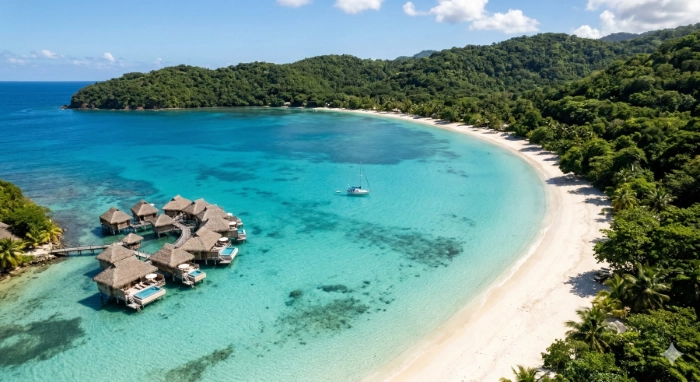
- Key Takeaways
- What is Your Caribbean Travel Guide Personality?
- Beyond the Postcard Image
- Navigating Island Rhythms
- A Taste of the Islands
- Your Essential Caribbean Travel Guide
- Crafting Your Perfect Itinerary
- Conclusion
- Frequently Asked Questions
- How do I choose the best Caribbean island for my travel style?
- When is the best time to visit the Caribbean?
- How do I get around and between islands efficiently?
- What are must-try Caribbean foods and drinks?
- How can I respect local culture and island rhythms?
- What should I pack for a Caribbean trip?
- How do I build a balanced Caribbean itinerary?
Key Takeaways
- Match your island to your travel personality by clarifying goals, budget, and pace. Apply the Adventurer, Romantic, Family, Luxury Seeker, and Culture Vulture profiles to create a shortlist of destinations that fit your style.
- Mix popular attractions with lesser-known locales to experience rainforests, peaks, and cultural neighborhoods far from the shore. Include some local festivals and markets to immerse yourself in the music, the food, and the daily life.
- Travel smart with eco-certified stays, reef-safe sunscreen and community-based tours. Utilize ferries, shared transfers or electric vehicles where available to minimize your footprint.
- Plan timing and logistics around weather and seasons. Look up hurricane season, inter-island connections by ferry or short flights, and plan island-hopping routes based on distance and scheduling.
- Experience the islands from street food to fine dining for a comprehensive culinary snapshot. Sample market snacks, fresh seafood, and local spirits and think about chef-led tastings for more immersion.
- Plan savvy with a firm budget, minimal packing, and basic safety practices. Budget per island, bring light layers and must-haves, and heed local notices and traditions for a seamless journey.
A Caribbean travel guide is a quick reference to a trip around the islands and coasts of the Caribbean Sea. It details optimum travel periods in terms of dry and wet seasons, with the majority of islands experiencing a drier climate between December and April. It contrasts island clusters such as the Greater Antilles, Lesser Antilles and Bahamas and observes visa regulations, currency advice and indigenous traditions. It includes flight routes, ferry connections and average prices for accommodation, food and tours. It highlights must-see locations including coral reefs, rainforests and UNESCO sites and marks hurricane season threats from June to November. It enumerates health and safety essentials. To begin savvy, the guide charts pointed paths for selecting islands and planning by budget and time.
What is Your Caribbean Travel Guide Personality?
Find the island that best fits how you like to travel, what you will spend, and what you want to do. Consider peak season, family desires, and culture. Compare island personalities, then use a simple filter: goals, time of year, budget, and logistics like inter-island ferries in the Lower Antilles or short flights.
1. The Adventurer
Choose islands with jungle and mountainous terrain. Dominica, Grenada, and St. Vincent shine for rainforest hikes, crater lakes, and waterfalls you can swim in. They vary from gentle coastal paths to summit hikes on volcanic peaks.
The ocean brings more options. Snorkel coral gardens in marine parks, kayak mangrove inlets or charter a small sailing boat to gain access to reefs with crystal clear water and vibrant fish. Canyoning, kite surfing, and cave swims keep the pulse moving. The dry season, particularly February to March, provides more reliable weather. The low season, from May to September, is cheaper but anticipate rain bursts.
Budget is flexible. Shared guesthouses and humble homes occasionally cost near $50 USD a night. For bigger savings, hop on local ferries between nearby islands where routes exist.
2. The Romantic
Saint Lucia’s twin peaks, small coves and hot springs are made for honeymoons. Antigua has a beach for every day of the year, 365 of them, as well as tranquil bays for placid dips. Some areas of the Bahamas have isolated keys filled with powdery white sand.
Arrange boutique villas with sea views, private plunge pools, and outdoor showers. Include sunset sails, couples’ spa time, and beach dinners. Aim for February to March for dry skies and pastel sunsets.
3. The Family
Puerto Rico, the DR and Barbados have long beaches, calm bays and resorts that simplify family travel. All-inclusive stays are frequently equipped with kids’ clubs, water parks and snorkel classes.
Mix a list of safe swim spots with hands-on stops: forts and interactive museums, turtle or bird-watching, and farm visits. For multi-gen trips, seek out ground-floor suites, ramps, and group tours with shade. Low season from May to September reduces prices and crowds.
4. The Luxury Seeker
Turks and Caicos, Grand Cayman and St. Barts focus on luxurious accommodations and posh powder with turquoise, waist-deep water. Opt for acclaimed luxury hotels or private villas with chefs, butlers, and discreet staff.
Charter a crewed yacht for island hops, reef dives, and quiet lunches aboard. Eat at haute kitchens, stop by mini chocolatiers, and schedule marathon spa days. The dry season means slick schedules and consistent sunshine.
5. The Culture Vulture
Jamaica’s reggae, Martinique’s creole roots and other islands’ complex histories resonate through the music, cuisine and language. Certain islands maintain a strange but genuine history in old towns, forts and sugar estates.
Time trips with carnivals, pan battles and art fairs. Wander colonial streets and then peruse small museums. Devour spicy creole dishes, explore bustling bazaars and chat with artisans who sculpt, braid or toast cacao. Travel can remain humble. Local inns and entire houses for $50 USD pop in the shoulder periods. Hop between islands via short flights or Lower Antilles ferries where possible.
Beyond the Postcard Image
Beyond the Postcard Image – The Caribbean is More than Sun and Sand Across these small and large islands, you encounter rainforests, peaks, reefs and living cultures that transition from country to country. Such travel can transcend the postcard image and foster friendships across boundaries. Countless numbers consider travel to be among the greatest defenses against war, racism, and apathy to the oppressed.
Sustainable Travel
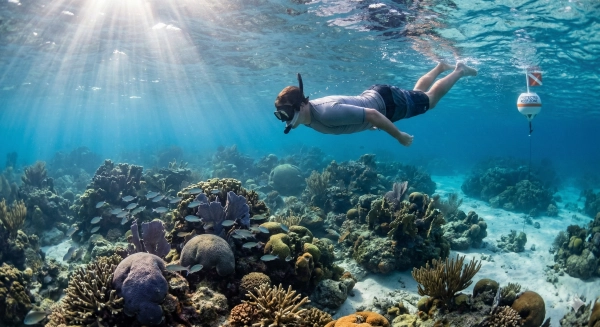
Opt for conservation-funded stays. On Bonaire, the marine parks safeguard reefs with entrance fees and rigid mooring regulations. Dominica’s eco-lodges direct profits toward trail maintenance and river cleanups. In Grenada, certain beachfront hotels operate coral nurseries and turtle watches. These decisions keep habitats intact and jobs local.
Act in small-scale ways. Guadeloupe and Martinique are connected by inter-island ferries. On bigger islands, choose electric vehicles where charging is ubiquitous, or combine buses with brief taxi jumps. Fewer flights, lighter bags, lower emissions.
Respect reefs and wildlife. Apply reef-safe sunscreen, keep your fins off the coral, and don’t feed the fish. On sandy cays, nest sites require space. Respect roped off areas. Take all trash out on remote beaches.
Approach community projects with humility. Book village-led hikes to Dominica’s Trafalgar Falls, buy fruit at Castries or St. George’s public markets, and tip fairly. Inquire prior to snapping. Your spending sculpts what lives.
Local Immersion
Swap out the big resorts for local lodgings. Family guesthouses in Saint Lucia or Tobago bring home-cooked breakfasts, stories, and tips on laid-back festivals.
Experience is the best teacher. How about a roti-making class in Trinidad, a salsa or bélé lesson in Martinique, or a drumming workshop in Barbados? One session unlocks opportunities you would miss.
Dine where lines are brief and consistent. Look for fish cakes in Barbados, bake and shark in Trinidad, doubles at dawn, and callaloo soups that vary by island. There’s nothing like street grills near ferry docks to beat shiny menus.
Try to sprinkle in a couple local turns of phrase. A quick bonjour in French Creole or buenos días in Spanish goes a long way toward respect. Attend public fêtes when invited, observe the local pace and dress.
Historical Context
Begin with UNESCO sites and forts to put the past into perspective. Walk Brimstone Hill in St. Kitts, Nelson’s Dockyard in Antigua, or the Citadelle in Haiti. Across Old San Juan, Havana Vieja and Bridgetown, layered streets connect trade, empire and resistance. Museums on the Atlantic slave trade, Cuban revolution rooms and indigenous exhibits in Puerto Rico add heft. On a recent trip to Barbados, I saw beyond the picture-perfect: sugar estates that shaped society, chattel houses that moved with tenants, and hurricane stories that now tie to climate change. The region’s combination of Spanish, French, British and African heritage resounds in law, food, music and religion. More than beaches, the Caribbean provides hikes to peaks, dives at Champagne Reef, and history that clarifies today.
Navigating Island Rhythms
Optional: Reset your watch to ‘Caribbean time’5. Shops could open late, lunches overrun and a beach bar can become a street dance session by sunset. Mornings are languid, mid-day naps are in the shade and nights throb to the beat of steelpan or reggae. Mix iconic hotspots with quiet inlets. Poke around island calendars. Carnivals, regattas and jazz weeks all inform crowds, rates and vibe.
When to Go
During the dry season (approximately December to April), there is constant sun and peak rates. The wet season (May to November) is greener, with short rain bursts and lower rates. August to October overlaps with peak hurricane risk. Trade winds moderate heat, but there are microclimates; Aruba is dry while Dominica is green. Align dates with events: Trinidad Carnival in February or March, St. Lucia Jazz in May, and Crop Over in Barbados in July or August. Book adaptable stays and travel insurance for late summer and early autumn.
| Destination | Dry season (temp/rain) | Wet season (temp/rain) | Peak crowds | Notable festivals |
|---|---|---|---|---|
| Barbados | 25–29°C, low rain | 26–30°C, higher rain | Dec–Mar | Crop Over (Jul–Aug) |
| Jamaica | 24–29°C, moderate rain | 25–31°C, heavier rain (May, Oct) | Dec–Apr | Reggae Sumfest (Jul) |
| Antigua | 24–29°C, low–moderate | 25–31°C, moderate | Dec–Apr | Sailing Week (Apr–May) |
| Martinique | 24–29°C, low–moderate | 25–31°C, higher | Feb–Apr | Carnival (Feb) |
| BVI | 24–29°C, low–moderate | 25–31°C, moderate | Dec–Apr | BVI Spring Regatta (Mar–Apr) |
Getting Around
Inter-island flights connect hubs such as San Juan, Barbados, and Antigua with smaller airports. Ferries serve clusters: the British Virgin Islands, U.S. Virgin Islands, Guadeloupe–Les Saintes, and St. Kitts–Nevis.
On big islands, rent a car to access beaches and hill towns. On small ones, taxis are prevalent. Verify costs or utilize metered cabs when provided.
Small ship cruises and yacht charters bring flexible routing, perfect for coves and snorkel spots around Antigua or Virgin Gorda. Towns, buses are economical and bike rentals or guided walks suit flat, historic centers.
Island Hopping
7,000 plus islands, each with its own rhythm and appearance. Build routes by proximity and ferry links. St Martin to Anguilla to St Barths pairs duty-free shopping with chic French flair and calm bays.
Throw together Famous with hush. Mix Antigua’s snorkel coves and British heritage with St Barths’ French panache. Sprinkle a little Nevis in for some dormant volcano trails. Then hoist your sails and cruise the BVI for hidden beaches and pumping beach bars.
For culture, add Martinique and Dominica for markets, Creole cuisine and rainforest valleys. Include Grenada’s underwater sculpture park for an alternative dive backdrop. Barbados provides reefs, convenient access and warm people.
Schedule beach days, reef snorkels and village stops in a single loop. Island rhythms include checking ferry timetables, seasonal swells and berth rules if chartering. Leave one buffer day for weather changes.
A Taste of the Islands
It’s a cuisine that runs the gamut from bold jerk spice to slow-cooked stews to grilled fish and ripe fruit. Creole, Latin, African, and French roots inform menus from beach bars to markets to fine hotels. Anticipate comfort and luxury all under one roof, with fast casual and drawn-out seaview meals.
Street Food
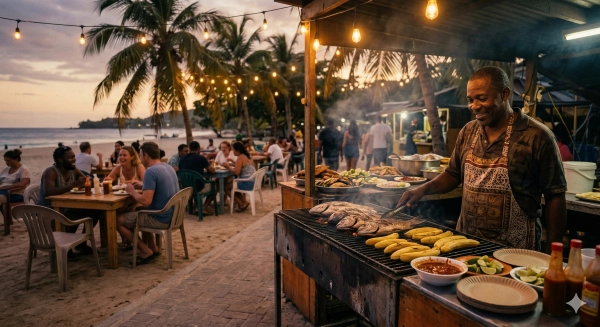
Street stalls keep costs low and flavors large. Find patties in Jamaica, which include beef, callaloo, or ackee, doubles in Trinidad and Tobago, which consist of curried channa in soft bara, and empanadas in Puerto Rico. Fried plantains, grilled corn, and bake n’ shark turn up at bustling crossroads and ferry terminals.
Pop fresh coconut water or mauby on hot days. Very often you will find vendors selling ginger beer, sorrel (hibiscus), or soursop juice. On Antigua’s 365 beaches, fish shacks grill mahi-mahi or snapper with lime and pepper sauce.
Top picks:
- Trinidad: Queen’s Park Savannah and Ariapita Avenue for doubles, corn soup, and pholourie.
- Jamaica: Kingston’s Coronation Market and Boston Bay in Portland for jerk.
- Puerto Rico: Piñones kiosks near Loíza for alcapurrias, bacalaítos, and pinchos.
The atmosphere is half the dinner. Music oozes from vans. Drum grill smoke wafts over sand. Cash makes it go fast and if you come early, the lines are short.
Fine Dining
Make reservations in advance at resort restaurants and chef-led bistros that transform local seafood and farm produce into polished plates. There’s breadfruit gnocchi, conch crudo with citrus, cassava gratin, and plantain mille-feuille. Techniques lean toward French on islands like Martinique and St. Martin’s French side, and Latin touches shine in Puerto Rico and Curaçao.
Beachfront dining is typical. Saint Lucia, Barbados, and Tortola prefer line-caught mahi, spiny lobster, and lionfish to preserve reef health. Tasting menus with wine or rum pairings are de rigueur at the top spots. Certain resorts have chef tables, cacao or vanilla suppers, and weekend seafood bashes. Curaçao brings vivid backdrops on adjacent salt flats, and Bonaire’s eco-conscious spirit glimmers in dishes highlighting local farms and reef-safe options.
Local Spirits
Rum connects the islands’ history to today. Barbados and St. Lucia age blends in ex-bourbon casks for vanilla and oak notes, while Jamaica’s high-ester rums provide daring aromatics. Distillery tours detail sugarcane, molasses, fermentation, and pot versus column stills. Little rum shops serve sippers and plain mixers.
Cocktail bars host swizzle, punch and ti’ punch classes. Sample artisan brews, ginger or passion fruit liqueurs and spiced rums on St. Maarten/St. Martin, where French-style rhums agricoles blend with the pulsing Dutch-side bars. Martinique offers tours of rum estates on the way to Fort-de-France, then you can tackle Mount Pelée. Taste blue curaçao by the flamingo-lined flats in Curaçao. Tortola remains serene and sophisticated, perfect for sunset sampling post-sail. Bonaire combines nature days at Washington Slagbaai with understated rum flights.
Your Essential Caribbean Travel Guide
This chunk deals with fundamental planning, safety principles, and entry policies across top islands. It leverages our expert advice and trip planning resources. You will find the best time to visit, transportation, how to avoid crowds, and save time and money. You receive multiple itineraries, 65+ detailed maps, and a “Best of” with top beaches, dive sites, luxury all-inclusives, and outdoor picks. It covers Anguilla, Aruba, Antigua and Barbuda, Barbados, Bonaire, Cayman Islands, Curacao, Dominican Republic, Grenada, Guadeloupe, Jamaica, Martinique, Puerto Rico, Saint Lucia, St. Maarten, St. Barth’s, St. Kitts and Nevis, Turks and Caicos, and the U.S. British Virgin Islands, with cultural insight and color photos for context.
Budgeting
- At least compare your costs between islands before you reserve. Compare hub prices, shoulder-season rates from May to June and September to November, and the resort and guesthouse divide. Consider transfer fees, car rental, and ferries for multi-island hops.
- Shortlist value picks. Compare meal, park, and activity rates side by side. Use the maps and ‘Best of’ lists to choose free or low-cost beaches and sights so you still have some standout days.
- Split your spend: 40% for stays, 30% for food, 20% for activities, and 10% for a buffer. Pre-book dive trips, sailing days, and guided hikes to secure prices. Monitor add-ons such as snorkel equipment, reef surcharges, and gratuities so you don’t eat up the buffer too soon.
- Affordable/value options: * Dominican Republic: wide mix of stays, many all-inclusive deals.
- Puerto Rico: no passport for U.S. citizens, varied price points.
- Curacao: strong mid-range stays, good shore diving reduces boat costs.
- Jamaica (outside peak hubs): guesthouses, local eats keep costs down.
Packing
Bring light, quick-dry shirts, hats, and breathable layers. Humid days and powerful sun are typical throughout the region.
Pack reef-safe sunscreen (non-nano zinc), bug spray, and dry bags for boat days. A small first-aid kit comes to the rescue on remote cays.
Pack hiking shoes for rainforests, swimwear for reefs, and a light rain shell for quick squalls.
Checklist with notes:
- Sun gear: UPF shirt, wide-brim hat, and sunglasses with UV400.
- Water kit: mask, snorkel, reef-safe sunscreen, rash guard.
- Shoes: sandals with grip, closed-toe hikers.
- Tech: waterproof phone pouch, power bank, universal adapter.
- Health: meds, motion-sickness tablets, hand sanitizer, refillable bottle (one liter).
- Docs: Passport, printed insurance, copies of bookings in a waterproof sleeve.
Safety
Swim close to lifeguards, obey surf flags, and buddy up for snorkel or dive. On boats, wear a life jacket and tuck phones in dry pouches.
Track advisories, storm outlooks and hurricane season (June-November). Our maps and itineraries reroute quickly if weather shifts.
Store passports in hotel safes, use RFID sleeves, and stay vigilant at busy sites and transport hubs.
Know local laws and norms — like beach access and marine protections. Cultural notes in the guide delineate etiquette, food customs, and national park rules, so plans run smooth and stress stays low.
Crafting Your Perfect Itinerary

Start with the basics: choose islands that fit your pace, interests, and budget. With so many cultures and histories, the Caribbean feels different on each island. Study language, cuisine, and heritage sites to fit your objectives, be it reef dives in Bonaire, San Juan’s colonial forts, or Barbados’ rum and music. Consider climate and seasons for when to visit. February and March, with their steady sun and mild trade winds, provide good beach days and big events. Public holidays and festivals, such as Labor Day parades, Carnival in Trinidad, or Martinique, can drive prices and crowds up and provide opportunities to get an authentic glimpse into local life.
Construct your ideal itinerary, with one focus per day. Balance downtime, nature, and culture so you don’t get burned out. A sample four-day loop on a single island: Day 1 is for beach time and a sunset sail. Day 2 is for a hike to a viewpoint or waterfall, then a street food crawl. Day 3 includes a museum or historic quarter in the morning and reef snorkeling in the afternoon. Day 4 is for a market visit and a slow lunch, then open. For multi-island trips, keep transfers light, with ferries or short flights in the morning and loose hours afterward. Leave at least one free block every two days. Weather changes quickly, so trade water days if the winds pick up.
Select must-sees and balance them with little discoveries. Name three anchors per island: a natural wonder like The Baths in Virgin Gorda, a cultural site like Nelson’s Dockyard, and a lesser-known spot such as a local bakery or a quiet cove. Take buses, ferries, and water taxis where they operate efficiently and use taxis or rideshares at night. On small islands, rent a bike or a classic car for a slow loop through villages and farm stands. For stays, weigh cost and comfort: budget flats with kitchens, mid-range guesthouses near a beach, or full-service resorts with kids’ clubs. Cruises can get you to a lot of islands on one budget, with convenient transportation and food included.
Here’s the key: Keep your plan flexible. Leave room for a pop-up festival, a lazy morning after a late steel-pan night, or a last minute reef trip.
With Travel Envy, customize your path, snatch VIP benefits, and secure essential reservations. It can sync ferry times, flag festival dates, compare stays in EUR, and keep all notes in one place.
Conclusion
To sum it up, the Caribbean pays off for definite intentions and flexible minds. Every island has its own rhythm, cuisine, and song. Tiny decisions define every passing day. Rent a guest house on or near a local beach. Sample callaloo or bake and shark for lunch. Take a steel pan class at dusk. Take a lazy ferry to connect two islands. Slather on reef-safe sun cream. Take cash for stalls. Know a little local lingo. Give room, be kind, and tip generously.
Trips feel best with a balance of spontaneity and purpose. Anchor one goal a day. Leave room to float. Follow expenses in euros or dollars, then jot down in metric for drives and hikes.
Next, plan the trip. Download the checklist, choose your initial island, and secure your dates.
Frequently Asked Questions
How do I choose the best Caribbean island for my travel style?
Align your interests with island strengths. Find natural wonders in Dominica, rich culture in Cuba, pristine beaches in the Turks and Caicos Islands, and a lively nightlife scene in Barbados. Consider budget, season, flight access, and activities. Utilize our “Personality” guide to filter options quickly.
When is the best time to visit the Caribbean?
The dry season is from December to April. You’ll receive more sunshine and peaceful seas. May to November is wetter, with the hurricane risk peaking from August to October. For value, go in the shoulder months like May or early December.
How do I get around and between islands efficiently?
Employ regional airlines for longer hops. Ferries link neighboring islands, particularly in the Lesser Antilles. On the island, taxis and rental cars jive. Reserve inter-island flights in advance at the peak of the season. Verify baggage restrictions for tiny planes.
What are must-try Caribbean foods and drinks?
Sample jerk chicken, roti, callaloo, conch, plantains and fresh seafood. For drinks, try rum punch, sorrel and coconut water. Request local specialties at every island. Go for trusted vendors and thoroughly cooked street eats.
How can I respect local culture and island rhythms?
Say hello, modestly dress away from beaches and support local businesses. Observe music and festival etiquette. Request permission prior to photographing individuals. Sundays and public holidays can be quieter. Plan for it.
What should I pack for a Caribbean trip?
Pack light clothes, swimsuits, reef-safe sunscreen, a hat, bug spray, a reusable water bottle, and water shoes. Just toss in a light rain jacket and a smart-casual outfit. Carry with you any prescriptions along with a simple first-aid kit.
How do I build a balanced Caribbean itinerary?
Start with your top two priorities: beach, culture, nature, or food. Try to restrict yourself to one or two islands a week. Combine active days with relaxing days. Prebook your ‘must’ tours but leave room for local serendipity. Keep transfers uncomplicated.
Need help refining your plans? Discover Travel Envy’s professional travel planning services designed for seamless multi-destination journeys.
Luxury Europe Travel Experience
European River and Ocean Cruise Planning
Customized All-Inclusive Vacation Planning
For deeper research, consult trusted travel authorities and cultural organizations across Europe to refine your travel plans with confidence.
Overview of Schengen Area Travel Regulations