

- Key Takeaways
- Decoding the Best Time for All-Inclusive
- Weather’s Role in Your Wallet
- Beyond Price: The Vibe Factor
- The Canadian Holiday Advantage
- Your Booking Blueprint
- Destination Sweet Spots by Season
- Conclusion
- Frequently Asked Questions
- When is the cheapest time to book an all-inclusive?
- How does weather affect all-inclusive prices?
- What’s the best time for a lively resort vibe?
- Do Canadian holidays change prices for all-inclusives?
- How far in advance should I book?
- Which destinations are best in winter?
- Are last-minute all-inclusive deals worth it?
Key Takeaways
- Weighing peak and off-peak seasons. Employ a lowest price calendar to identify weeks with strong weather and softer rates.
- Aim for the shoulder seasons, April to May and September to November, for lower rates, fewer guests, and great weather. Be flexible with dates to discover upgrades, credits, and bonus treats.
- Reserve winter escapes early for the Caribbean and Mexico as this is when demand peaks and inventory is at its leanest. The best time for all-inclusive is to bundle airfare to resorts to help compensate for premium winter rates.
- Balance weather risks such as hurricanes or rainy seasons with unbeatable rates and easy rebooking. Guard your plans with travel insurance and shortlist backup destinations.
- Match your vibe to timing – mid-week and shoulder months for quiet stays, peak for liveliness. Keep an eye on guest ratios and reviews to gauge service.
- Just follow our easy booking blueprint. Compare prices by date, fare calendars, and review total costs before paying. Add room category, payment plans, and final policy checks for the best value.
It’s the perfect months to book and visit an all-inclusive resort for value, great weather and less crowds. For the Caribbean and Mexico, late April to early June brings warm seas, reliable sun and pricing that runs 10 to 25 percent below peak season. For the Mediterranean, May to early July offers dry days, sea temperatures hovering around 22 to 25 degrees Celsius, and fewer crowds at the big sights. For Southeast Asia, November to February brings cooler, drier air and bright beach days. To schedule wisely, align climate with local festivities and shoulder seasons, then monitor flexible dates to catch rate drops. The guide below maps regions, sample months, average temperatures and price cues to help set clear picks.
Decoding the Best Time for All-Inclusive
Timing determines price, crowd, and amenities. Try a lowest price calendar, peak versus off-peak comparisons, and aim three to six months out when prices are most stably low. Mid-week bookings, specifically on Tuesday or Wednesday, typically have slightly lower rates of inventory than weekends.
- Peak vs. Off-peak: Peak (January–March, holidays) brings prime weather, full programming, and top demand. Expect higher rates, stricter cancellation, and fewer room choices. Off-peak (Sept.–Nov., plus portions of summer) exchanges some weather risk for deep discounts, broader accommodation selection, and extra credits. Shoulder (April–May, October–early November) combines mild weather, lighter crowds, and strong value. This is often the sweet spot.
- Value levers: Use flexible dates, avoid school breaks, and track flash sales. Snap up flights and resorts simultaneously to access package savings. If booking earlier than six months, anticipate rack rates. Revenue teams discount closer in.
- Tools: Set alerts, scan lowest price calendars by week, and test Tuesday and Wednesday starts. If you’re destination-agnostic during high season, shift to the best value area.
1. The Winter Escape
January to March works well for the Caribbean and Mexico in terms of dry sunny days and calm seas. It is their high season with top prices and limited availability. Holiday weeks and school breaks book up quick, so reserve time early to lock in your preferred room types and early-booking bonuses. Bundled airfare and inclusive perks can partially defray rate spikes, but you are still paying more than in shoulder months. If you are flexible on location, high-season all-inclusives can still win on value when flights and transfers are included.
2. The Spring Thaw
Schedule April to May for moderate temperatures, fewer crowds, and lower costs than winter.
Resorts run spring promos and last-minute offers to fill cracks between peak and summer. Anticipate packed full activity lists with improved guest ratios, simpler restaurant reservations, and more calm excursions. Bend your dates to catch even more discounts or a free upgrade. May and early June, in particular, have better weather and much lower prices than winter, and if you book three to six months out, you can keep costs from rising.
3. The Summer Steal

June to August can offer dramatic discounts to tropical locales. Family-friendly plans, kids stay free, and value room tiers are typical.
Heat and short rains arrive, and hotels are quieter while availability begins. Prices fall precipitously during monsoon season from May to November, just be sure to utilize flexible policies and travel insurance. Summer, too, loves a spontaneous trip — and mid-week departures help trim rates.
4. The Autumn Advantage
September to November provide the lowest rates, thinner crowds and tremendous package value. See hurricane season in the Caribbean; a lot of brands have super generous rebooking. Early fall can stand for mild weather with bonus points or free nights. About: Crack the code of all-inclusive moments. If you want peak value and space, target May or October and book three to six months in advance.
Weather’s Role in Your Wallet
Weather’s influence on your wallet resorts price and open space around storms, rain, heat and daylight. A two-week swing can move costs by hundreds of euros. Peak months from December to April deliver sun and increased demand. Off-season from September to October slashes prices but increases rain and hurricane danger. Shoulder windows in May and November frequently strike a nice equilibrium of value and comfort for a lot of warm-weather destinations.
- Top seasonal picks for value and comfort: * December to April: Canary Islands, Dubai, Baja California Sur.
- May: Mediterranean coasts, Morocco’s Atlantic, Jamaica shoulder.
- June to November: Pacific Mexico during non-peak weeks, Bali, Mauritius.
- September to October: Thai Gulf islands, Zanzibar, Aruba outside main storm tracks.
Hurricane Season
Book June to November in the Caribbean and Gulf for the lowest rates, with the obvious trade-off of storm risk and potential trip adjustments. Prices decline as the projections turn vague, and some beachfront suites that sold out in the winter pop back up at mid-range rates. September and October are the least expensive, but they are the most dangerous months.
Most all-inclusive brands supplement with flexible rebooking during named storms, such as no-fee date moves, future credits, or on-site shelter rates. Review cut-off times and blackout dates.
You can typically get resort credits, a free night, or a category upgrade thrown in. Seek out properties that have strong backup power and contingency plans.
Travel insurance is a must in these months. Opt for weather disruption or “cancel for any reason” policies. Maintain a cash fluff to survive rerouting. If you can’t be flexible, consider southern Caribbean islands with less hurricane risk or the Mediterranean in early fall.
Rainy Season
Aim for Central America or Southeast Asia during their monsoon cycles and get deep discounts on inclusive packages. Look for afternoon showers, green scenery, and cool evenings. September and October are calm, with more attentive service and simpler reservations.
Schedule spa days, cooking courses, and indoor samplings. Book early morning tours before clouds amass. Pack a compact rain poncho because it saves plans.
Rainy months can bump you up into suites with plunge pools for less. Late spring and late fall mix quick showers and gentle prices.
Peak Sun
Reserve dry, sunny weather months to enjoy your prime beach days and amenity access. December through April is the traditional high season and is the most expensive.
Oceanfront and club level demand spikes. All weather impacts weather’s role in your wallet. Anticipate long days, a bouncing nightlife and busy activity schedules.
Beyond Price: The Vibe Factor

- Crowd levels: peak weeks feel packed. Mid-week and shoulder months seem wide open.
- Resort atmosphere: high season brings shows and DJs. Low season feels calm.
- Service quality: Lighter occupancy means faster help and more access.
Seasonal vibe guide (general patterns; always confirm locally): | Season | Crowd | Vibe | Service fast | Usual trimmings | | High (Dec–Apr) | High | Energetic, more events | Slower | Entertainment lineup | | Shoulder (May–Jun, Sep–Oct) | Medium–low | Balanced, social but not loud | Faster | Value deals | | Low (Jul–Aug, Nov) | Low–medium | Quiet days, mellow nights | Fastest | Upgrades more probable |
Crowd Levels
Shoulder months or midweek stays slash lines at buffets, bars, and beach loungers. You enjoy a quieter pool and more convenient spa times.
Skip school breaks, the big holidays and the “peak” winter weeks to avoid unnecessary noise, lines and shuttle congestion. If you’re traveling with kids, family sections go first.
Flexible dates help open up room upgrades, late check-outs or private transfer deals when occupancy is low. Monitor the resort’s reservation calendar and flight occupancies.
Verify guest ratios and capacity with recent reviews and resort socials. A smaller headcount usually translates into quieter evenings and a shot at that oceanfront table.
Resort Atmosphere
Pick dates that fit your mood: festive holiday periods run theme nights and DJ sets. Low seasons favor acoustic music and somber bars. Adults-only during shoulder months fits with couples. Family-friendly in school holidays appeals to groups seeking kids’ clubs.
Get ready for more shows, pool games, and pop-up bars during high season. The off-peak months have a slower feel, which is perfect for travelers who want to read, dive, or just rest.
Match property type to season. Adults-only tends to maintain a consistent hush throughout the year, while family resorts ebb and flow with school schedules.
Honeymoon or couples promos typically toss in spa credits or private dinners. Families can enjoy package deals with club hours and babysitting.
Service Quality
Light weeks mean faster check-in, cabanas open, and more last-minute dining options available. Staff have more time to customize assistance.
High occupancy puts a strain on bars and housekeeping and waiting time increases. Check recent guest reviews for date-specific service notes and peruse ratings over months.
For those requiring priority support all year-round, secure a premium room or suite with butler access, lounge breakfast, or reserved sunbeds.
Consider fit: If you plan to eat out, do not drink much, or want local food, all-inclusive may feel limiting. Families typically appreciate kids’ clubs and fixed rates. Travelers with allergies should definitely check menus ahead of time. Some experience resorts as excessive. Others enjoy not counting every check.
The Canadian Holiday Advantage
Canadian holidays correspond nicely with the high and shoulder seasons at many all-inclusives. Being so close to the Caribbean not only cuts flight times, it keeps fares competitive and helps stretch budgets. Longer winter breaks in certain provinces, telework and work flexibility norms, and time zones aligned with key sun hubs render mini breaks possible. Exchange rates, airline sales and fluctuating travel rules still matter, so timing and flexibility remain crucial.
Reading Week
Families can leverage these February or March school breaks to secure all-inclusive weeks in Mexico, the Dominican Republic, or Jamaica while the cold is brutal at home and the sun shines strong. It is in high demand, so rates escalate quickly and popular room types disappear.
Booking 4 to 6 months in advance provides early-booking benefits, complimentary kids’ stays, and wiser flight times. Choose resorts that offer guaranteed connecting rooms or family suites so you don’t have to worry about the split-booking hassle.
Anticipate buzzing pools, vibrant entertainment, and kid clubs in high gear. That cadence is just right for families seeking organized excitement. For prices, target mid-week departures, with 23 kg bag-included fares and bundled airfare to secure prices.
Seek out packages that include airport transfers, water sports, or teen lounge access. Many resorts in Punta Cana, Riviera Maya, and Montego Bay offer Canada-only promotions linked to school calendars.
Victoria Day
The Canadian holiday edge is that May long weekend is a sweet spot for quick sun breaks with shoulder-season prices in Cancún, Nassau, and Costa Rica’s Pacific coast. Temperature is warm, seas are calm, and crowds are lighter than mid-summer.
They seats sell out quickly for Friday and Monday flights. Book early to avoid last-minute limited lift-driven spikes.
Be on the lookout for ‘Victoria Day’ credits, room upgrades or spa vouchers for Canadian guests. Proximity makes four to five night trips still realistic.
Thanksgiving
Early to mid-October means less heat, fewer families, and lower rates as resorts move from summer to winter pricing. This window is perfect for adult-only guests or chill getaways by calm pools.
Deals usually include free room class bumps, late checkout, or additional dining. Aruba, Curaçao, and Los Cabos hotels usually provide tranquil weather and smooth service.
Less international visitors translates into less lines and more attention from staff. Know the exchange rates – a stronger CAD makes every destination further away and opens up more possibilities without budget stretches.
Fly the Tuesday before or after the holiday to save even more and beat the crowds.
Your Booking Blueprint
A booking blueprint gets you timing your resort package buy for cost, bonuses, and less angst. With your booking blueprint, you know clear checklists, lowest-price calendar scanning, and mid-week and off-peak date testing. You trim cost without trimming comfort.
Early Bird
Book 6 to 12 months out to secure improved base rates, room selection, and promotions. According to a 2023 survey, 42% booked three to six months in advance, so for winter getaways, aim for 4 to 6 months for the optimal sweet spot of price and stock. Big brands offer early booking bonuses months in advance.
Reserve the first selection of tier suites, beach front rooms, and peaceful buildings. If you want a swim-up suite near a kids’ club or a corner oceanfront with shade after 15:00, early is the only safe bet.
Lock promos: resort credits, free nights like stay 7, pay 6, and bundled airport transfers often publish early. Most advance rates encompass complimentary date changes and certain tour operators permit installment plans with minimal deposits. Include travel insurance, especially during sketchy-weather months.
For example, use a lowest-price calendar to scan September to October, when rates can be as much as 40% off peak. Many groups place their lowest tags there because it is hurricane season. Stay away from the peak holidays—Easter, Christmas, Memorial Day—if you want fewer crowds and more stable pricing.
Last Minute
See flash sales and leftover drops on top OTAs and tour operators. Prices fluctuate from day to day.
Flex rules. Move destinations, dates and room types to grab the finest slices. A garden view on a Tuesday start could easily beat oceanfront on a Saturday by hundreds of euros.
Shop packages from a minimum of three sources and verify all taxes, transfer fees, and resort fees prior to pay. Some hotels candy-coat late gaps with upgrades or lounge access, but don’t count on it. Mid-week check-ins, like Monday or Thursday, tend to be less crowded with arrivals and have easier lines.
Mid-Week
About: Your Booking Blueprint. Book flights and resort stays that begin or conclude on a Tuesday or Wednesday if you want to avoid weekend surcharges and fuller planes.
You secure additional room stock and promotions connected to non-peak days. Amenities hum quieter, lines are compact and staff time breathes less frantic.
Throw in an extra day or two if budget permits. It helps to smooth the pace. September continues to be a value sweet spot. Early October is close.
Destination Sweet Spots by Season
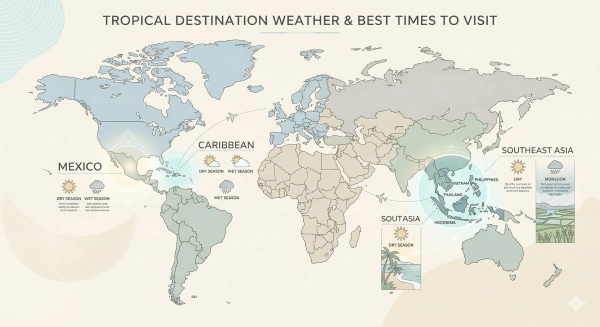
Choose your timing according to weather, crowds, and price cycles. Spring fits Europe, North America, northern China, and Japan. Summer is good for Central and Latin America, the Caribbean, India, much of Southeast Asia, and Africa. Maui is at its peak. Fall still favors Europe even though the Mediterranean can be scorching. The Middle East, Senegal, Indonesia, China, and northern Australia all sparkle. In winter, avoid East Africa’s rains and the Amazon. Favor the Middle East, much of Africa (Benin, Côte d’Ivoire, Kenya), and Asia (Cambodia, India, Laos). It’s a sweet spot in terms of balanced weather and lighter crowds. Remember monsoons in India and Southeast Asia in July and August, late phase September, big regional swings, cold Andes and Patagonia winters, and cool New Zealand winters.
Top all-inclusive picks by month (best deals and best weather):
- Jan–Feb: Dubai, Maldives | Caribbean south, Kenya coast
- Mar–Apr: Canary Islands | Japan, Spain, U.S. Southwest
- May: Greece, Portugal | Riviera Nayarit, Bali shoulder
- Jun–Jul: Maui, Zanzibar | Costa Rica Caribbean, Seychelles
- Aug: Mauritius, Bali | Mediterranean (hot), Alps lakes
- Sep: Turkey coast | Indonesia, northern Australia
- Oct: Morocco | Western Med shoulder, Oman
- Nov: Mexico Pacific | Middle East prime
- Dec: Jamaica south | Thailand west coast
Seasonal value tips:
- Destination sweet spots by season Stay on top of local events and holidays that spike rates, such as Carnival, Diwali, Golden Week, and the end of Ramadan.
- Use destination promos tied to low seasons: extra nights, resort credits, and kids stay free.
Caribbean
Winter is top weather and peak rates, so book way in advance and anticipate hard minimum stays. Summer through early autumn is hurricane season from June to November, so monitor forecasts, purchase insurance, and look for flexible policies for deep discounts.
Late spring and early fall translate to less congestion, reduced rates and bonuses, such as spa credits or complimentary dives. Southern Caribbean—Aruba, Curaçao, Bonaire, Barbados—holds steadier sun throughout the year, which is helpful when storms strike north.
Mexico
Shoulder months (April–May, September–November) bring warm days, fair seas, and strong deals. The Caribbean side (Cancún, Riviera Maya) experiences storms from July to October, so pivot to the Pacific—Los Cabos, Puerto Vallarta—then.
Early booking for Christmas, New Year’s, and spring break. Packaged with flights, ground transfers, and tours, these events often beat piecemeal buys. Weigh Cancún’s nightlife value against Playa del Carmen’s boutique vibe and Puerto Vallarta’s more mellow surf and rates.
Central America
Dry season (December–April) translates into blue skies and jam-packed tour menus in Costa Rica, Belize, and Panama, perfect for beach and jungle mashups.
Destination sweet spots, by season. Rainy months slash rates, reduce crowds and sometimes yield upgrades. These showers tend to move quickly. Look for eco-adventure packages, Mayan ruins tours, reef excursions, and chef’s tastings. Keep an eye on up-and-coming locations such as Nicaragua’s Pacific coastline or Panama’s Azuero for more affordable all-inclusive rates and a slower, more indigenous tempo.
Conclusion
To select the optimal time for an all-inclusive, align your objective with the season. For low rates, late April to early June or late August to early October are the best times to book. For sun with less crowds, target mid-November or early December. For peak buzz, opt for late December to March. Check rain trends and seaweed reports by beach. Keep an eye on flight deals connected to Canadian long weekends for great value. Utilize alerts, free holds, and transparent refund policies to secure savvy selections. A five-night stay in Riviera Maya in early May often drops 15% to 25% compared to March. Punta Cana in early December sees clear skies and short lines.
Ready to organize! Enter your dates, budget and vibe, and receive a shortlist today!
Frequently Asked Questions
When is the cheapest time to book an all-inclusive?
Late April to early June and September to early December are usually least expensive. These shoulder seasons offer the perfect mix of lower prices with great weather. Reserve two to four months in advance for optimum rates. Keep an eye out for flash sales and set price alerts so you can move quickly.
How does weather affect all-inclusive prices?
Weather is a demand driver. Dry, sunny months are more expensive. Rainy and hurricane seasons get marked down. Check historical climate data for your location. If you’re open to a little rain or passing storms, you can save while still getting most resort perks.
What’s the best time for a lively resort vibe?
For high spirit and full-on entertainment, pick peak season and holidays. Consider late December through March. Resorts have more activities and shows during this time. Anticipate higher rates and larger crowds. If you like calm, aim for shoulder season weeks.
Do Canadian holidays change prices for all-inclusives?
Yes. Canadian long weekends and winter breaks may increase prices, particularly for the Caribbean and Mexico. If your dates are flexible, steer clear of those weeks. If you fly midweek and outside of the school breaks, you will find better deals and availability.
How far in advance should I book?
For peak season, plan 4 to 6 months in advance. For shoulder season, 2 to 4 months is perfect. Last minute deals emerge but selection is minimal. Utilize free cancellation when possible, then recheck prices weekly to rebook if rates drop.
Which destinations are best in winter?
For dependable winter sun, the Caribbean, Mexico’s Yucatán, and the Canaries offer warm temperatures, calmer seas, and full resort programming. These areas are a great option. Prices are elevated near major holidays, so snag your all-inclusive deal early for the most value.
Are last-minute all-inclusive deals worth it?
They can be particularly in hurricane or shoulder seasons. You’ll save if you’re flexible on room type and flights. Compare prices over hundreds of sites, see resort reviews and verify what’s actually included to steer clear of extra fees.
Discover more ways to plan your journey.Visit our service pages to explore curated cruise packages, expert travel planning, and exclusive deals designed to make cruising from Canada simple and stress-free.
Popular All Inclusive Vacation Destinations
Popular Adventurous Destinations for Families and Groups
For added information, you may check these resources:
Travel Advice & Entry Requirements (Canada)