
- Key Takeaways
- Why Cruise From Canada
- How to Plan Your Canadian Cruise
- Essential Cruise Documentation
- The Onboard Canadian Experience
- Canada’s Unique Cruise Regulations
- Simplify Your Cruise Planning
- Leverage expert service to match you with the perfect cruise package, itinerary, and destination.
- Rely on personalized service for booking, logistics, and end-to-end support—ensuring a stress-free experience.
- Unlock exclusive cruise deals, bonus points, and extra benefits only available through our cruise department.
- Trust our expertise to handle everything from flights and hotel stays to onboard experiences and shore excursions for smooth sailing.
- Conclusion
- Frequently Asked Questions
- When is the best time to cruise from Canada?
- Do I need a passport to cruise from Canada?
- Which ports in Canada offer cruise departures?
- What visas or entry documents are required?
- Are there unique Canadian cruise regulations I should know?
- How do I prepare for weather on a Canadian cruise?
- Can I drink tap water on Canadian cruise departures and in port?
Key Takeaways
- Major Canadian ports offer easy access and smooth logistics for global travelers. Select Vancouver, Montreal, Quebec City, or Victoria for convenient airport connections, downtown sights, and highly rated port facilities.
- Cruising from Canada is a breathtaking experience. Consider Canada sailings and explore Canada and New England, the Caribbean, Alaska, Hawaii, and transatlantic itineraries along the way.
- Value and experience depend on timing. Cruise in shoulder seasons for cheaper prices, bonus points, and less crowds. Coordinate dates with weather, daylight, and school holidays.
- Design with a smart flow for less shock. Choose your style of travel, your overall trip budget and season. Compare itineraries and book early to get your favourite cabin and flight options.
- Get your paperwork ready before boarding. Have a passport that is valid for at least 6 months. Verify if you need a visa. Print your boarding passes and save digital copies. Pack it all in a travel wallet.
- Cruise on, with a taste of Canada aboard. Find green lines, heed health directives, shore-side support, and land-based local flavor, entertainment, and enrichment.
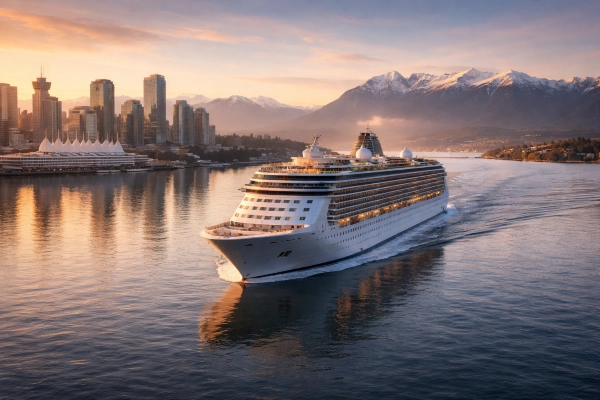
Cruising from Canada includes cruises on the ocean as well as river cruises that depart from Canadian ports including Vancouver, Montreal, Quebec City, and Halifax. Popular routes are Alaska, the Pacific Northwest, New England, the Caribbean via repositioning, and transatlantic. Peak season for Alaska sailings is from May through September, with average highs around 10 to 20 degrees Celsius and extended days. Major lines sail from Vancouver with either one-way or round-trip itineraries to Glacier Bay or Hubbard Glacier. Quebec City and Montreal run fall foliage routes from September to October, with colder temperatures hovering around 5 to 15 degrees Celsius. Entry regulations vary based on your nationality and travel plans, potentially necessitating passports or eTAs. Next up, best ports, top itineraries, visa tips, packing lists, and sample budgets.
Why Cruise From Canada
Canada is a great jumping off point for both nearby getaways and those that cover some distance. Our major ports lie on or near airports and downtown cores and our routes cover Alaska, Hawaii, New England, the Caribbean, and Europe. Vacationers discover Canada-exclusive packages, train connections, and breathtaking extensions throughout a nation that’s just 10% developed.
Departure Ports
Vancouver, Montreal, Quebec City and Victoria anchor most sailings. Each stands close to major airports and city hubs. Vancouver’s Canada Place is about 15 km from Vancouver International Airport. Montreal’s Iberville Terminal is located in close proximity to Old Montreal. Quebec City’s Ross Gaudreault Terminal is just steps from the old city. Victoria’s Ogden Point is minutes away from the Inner Harbour.
Amenities vary by port. Vancouver provides luggage transfers, cruise shuttles, and numerous hotels with pier-view rooms. Montreal offers walkable dining and metro accessibility. Quebec City features heritage stays inside stone walls and river vistas. Victoria has tiny oceanfront hotels and convenient taxi ranks. Many properties offer bundles that include breakfast, port shuttles, and late checkout for easy pre- or post-cruise nights.
Routes link straight from these piers: Vancouver to Alaska, Hawaii, and repositioning to Asia. Montreal and Quebec City to New England, the St. Lawrence, and across the Atlantic. Victoria is often a call on Alaska runs. Add-on links are VIA Rail, Rocky Mountaineer, BC Ferries, and their SeaBus in Vancouver for swift hops across the harbor.
Unique Routes
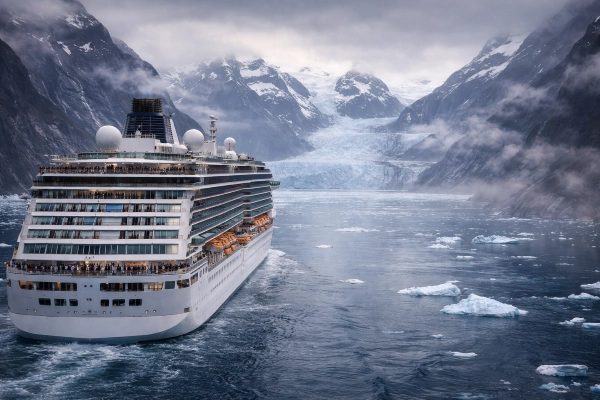
Nature and culture mix nicely. Imagine whale watching for orcas and humpbacks, fjord days in Tracy Arm or Saguenay, and city tours in Montreal, Halifax, or Boston.
| Route | Highlights | Typical Duration | Sample Lines |
|---|---|---|---|
| Alaska (ex Vancouver) | Glaciers, fjords, orcas, humpbacks | 7–10 nights | Princess, Holland America, Celebrity |
| New England/Canada | Autumn colors, coastal towns | 7–11 nights | Royal Caribbean, Norwegian, Cunard |
| Transatlantic (ex Quebec/Montreal) | St. Lawrence, sea days, Europe ports | 12–16 nights | Cunard, MSC, Celebrity |
| Hawaii Repositioning | Pacific crossing, warm islands | 10–16 nights | Princess, Holland America |
Canadians frequently get special rates, onboard credits, or bonus points when they book at home.
Seasonal Charm
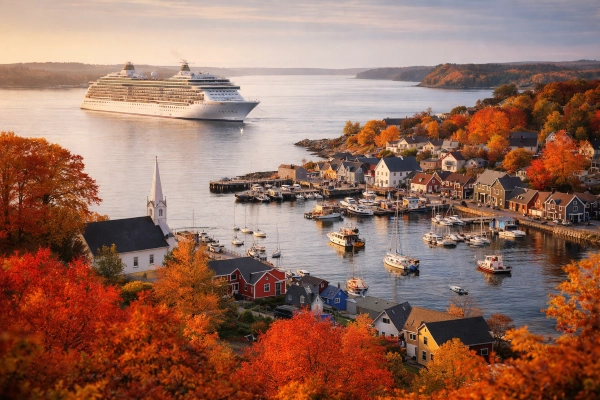
Wildlife highs move with the schedule. Orcas and humpbacks show well in summer. Belugas prefer colder northern waters. Warmer months befit kayaking and hiking. Winter repositionings prize quiet boats.
Prices and perks shift with demand. Late summer is pricier but is filled with festivals and extra daylight. Shoulder seasons usually translate into fare savings, additional onboard value, and better stateroom selections. Certain plans provide bonus Aeroplan points or additional perks for spring and fall bookings.
Pre- or post-cruise, taste Canada’s blend of British and French culinary heritage, hike 40 national parks and more than 1,000 provincial parks, and stroll the historic streets of Quebec City. The scope from metropolitan to immense wilderness caters to brief visits and immersive journeys.
How to Plan Your Canadian Cruise
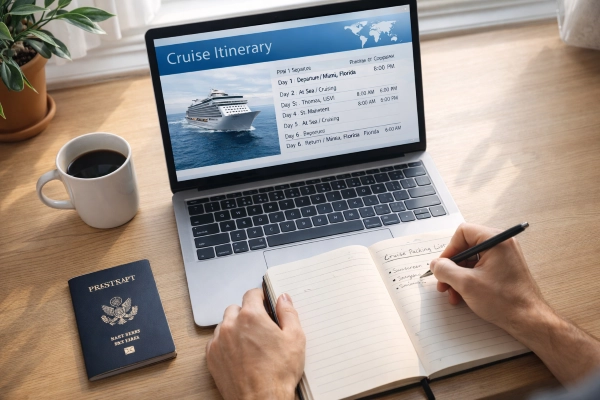
Create an easy-to-follow plan for style, budget, season, itinerary, and booking. Search cruise lines by region, dates, and departure ports. Reserve early for top-notch staterooms and flights. Plan with flexible payments and check cancellation windows to safeguard plans. Fly in one to two days early to discover your departure city and get over jet lag.
- Define your trip goals and companions’ needs
- Search tools let you quickly compare cruise lines, ships, dates, and ports.
- Set a full-trip budget and track promos
- Pick season by weather, daylight, and cost
- Lock flights and hotel near port
- Reserve popular classes and excursions early
- Review policies, bills, and cancellation terms
1. Define Your Style
Start with what you want most: adventure days ashore, calm sea time, family fun, or a quiet trip for two. Match that to ship amenities, such as fine dining and wine lists, zip lines and surf simulators, or oversized family suites.
Small ships seem to calm the senses and make those tucked-away spots like Saguenay accessible. Luxury lines sprinkle on fine service and small-group tours, occasionally with shoulder-season savings. Big commercial fleets offer wide options, kids’ clubs and value cabins.
List top must-haves: balcony views, spa time, cooking classes, kids’ splash zones, or late-night shows. Remember any booze policies that impact your routine, as certain lines have drink ceilings or restrict carry-ons.
2. Set Your Budget
Count the full cost: base fare, taxes, surcharges, service fees, and any resort-style add-ons. Add airfare, hotel nights, luggage handling, and local transport to port, such as train, rideshare, or shuttle. Arrive early in Vancouver or Halifax to catch up on jet lag and have time to check out Stanley Park or the waterfront.
Keep an eye out for inclusive bundles (Wi‑Fi, drinks, crew tips), bonus points, and local or former-guests discounts. Monitor deals, bulk rates and ship credit. Double-check statements because beverage or spa queues often add optional tip jars.
Utilize a daily planner to journal paid and free items and prevent overspending.
3. Choose Your Season
Compare weather and daylight. Spring and autumn offer cooler air, glowing Halifax and Charlottetown leaves, and thinner crowds. Summer provides long days and warm decks, but it has increased rates.
Coordinate dates with school vacation and work leave. Peak seasons increase rates and pack ships. Off-peak means bargains and empty decks. Write pros and cons month by month to decide.
4. Select Your Itinerary
Check length, sea days and excursions. Certain ports, Halifax and Charlottetown, are simple for self-directed time. Others, Saguenay and Sydney, tend to be more effective with touring to bigger attractions. Vancouver is a place where you shouldn’t miss nearby pulls such as Granville Island, Capilano Suspension Bridge Park and Stanley Park.
Think about rail add-ons or land legs for those deeper excursions. Consider sailing dates, ports, time in port, and included experiences. Book classes like cooking early because slots go fast.
5. Book Your Trip
On trusted platforms for deals, bonus Aeroplan points and flexible pay. Secure stateroom, flights, hotel and transfers, then view full terms, cancellation policies and offer dates. The earlier you book, the better your cabin selection, suite upgrade and onboard credit opportunities. Pack smart—layers and a plastic hanger for drip-dry. Check onboard bills every day. Maintain a basic planner so you don’t overlook port time.
Essential Cruise Documentation
Pace papers at the pier. Use this checklist: valid passport, visas or permits for each port, cruise and flight confirmations, boarding passes, government-issued photo ID, proof of insurance, and payment method for check-in holds. Names must be identical on all papers. If you switched your name, bring legal proof. Voter cards, social security cards, baptismal papers, or hospital birth certificates are not accepted as proof of citizenship. Print and export copies, as some ports might require physical documentation. Keep it all in a slim travel wallet you can access quickly at embark.
Passports
Make sure your passport is valid six months beyond your return date. Lots of countries still enforce this at the gangway. If you’re a late booker or new to a line like Princess, see if you will require an expedited renewal, which includes courier fees and photo costs. Input passport information when making flights or cruise packages online to streamline manual check at the terminal and prevent missteps with secure flight regulations.
Once on board, store passports in your cabin safe and utilize your keycard or keyless app for daily access, not the passport itself. Assuming you need to lug it ashore, slip it into a waterproof sleeve and store a picture of the ID page on your phone and cloud backup.
Visas
Verify visa regulations for each stop, including transits, through official consulate websites or your cruise line’s portal. Watch out for Europe’s Schengen, Australia’s ETA, and Asia’s e-visa requirements. Apply in advance to prevent denied boarding, including processing times of anywhere from hours for e-visa to weeks for consular.
Plan fees in your trip budget, including gratuities and passport return shipping. Print accepted visas and store digital copies in one folder. Certain ports will need paper copies at inspection points.
Boarding Passes
Print out cruise boarding passes ahead of time before you get to the port. Bring government ID and your cruise ticket email to check in. Numerous lines provide mobile passes, which hasten things. Bring a paper backup in case scanners or networks falter.
Verify every detail: sail date, port, stateroom, and exact name spelling. Travelers must be 21 years of age or older to sail on itineraries that embark or call on the United States alone. Babies under 1 may sail, excluding 11-night or longer voyages where they must be aged 1 and older. For families, pack kids’ passports, not baptismal certificates and hospital birth records. For groups, sync names across bookings and Aeroplan members must synchronize ages and loyalty information with their ID.
The Onboard Canadian Experience
Created for the world traveler, our onboard CANADIAN EXPERIENCE lens immerses you in Canada’s coasts, cultures, and flavors. It mixes adventure, tranquility, and education while maintaining language, accessibility, and affordability transparent for everyone.
Local Cuisine
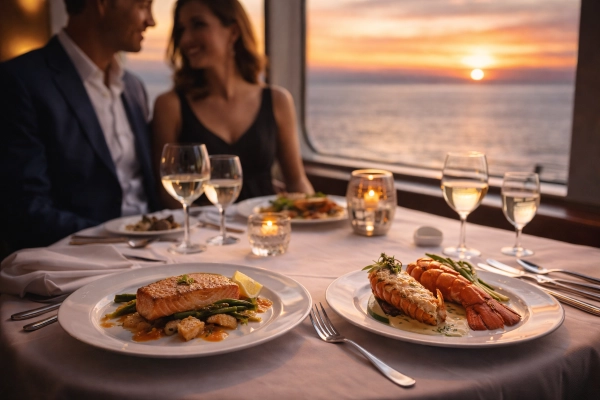
British Columbia contributes spot prawns, wild salmon, and Pacific halibut for raw bars and grilling nights. Quebec embraces maple, tourtière, poutine, and gourmet cheeses from Charlevoix and the Eastern Townships. East Coast menus feature lobster rolls, snow crab, and scallops with chowders that match the open ocean air.
Gourmet goods show up across the ship: a quiet market corner with smoked salmon, wild berry jams, and maple butter, a main dining room with rotating regional plates, and small specialty rooms for chef’s menus built around Canadian seasons.
Short, helpful demos emphasize ways to glaze with late-harvest maple, shuck oysters, or cure Arctic char. When they do tastings, they might match Quebec cuisine — traditional and modern — with uncomplicated dishes that allow base flavors to shine.
Okanagan and Niagara wines top cellar lists, plus coast to coast craft beers. Ice cider or a crisp lager can frame seafood without drowning it.
Regional Entertainment
Evening shows include folk and contemporary sets, Métis jig, coastal step dance, and storytelling that spans local roots and modern voices. It’s context you’re after, not cliché.
Themed nights celebrate national holidays and pay homage to famous routes and ports, from Quebec City’s walled old town to rugged Atlantic capes. It keeps the ship connected to land while out on the ocean.
Workshops can be hands-on: drum circles, fiddle clinics, spoken word, or Indigenous craft sessions run by guest artists. Guests walk away with skills, not tchotchkes.
Art decks and small galleries display painters, carvers, and photographers framing grandiose vistas and flamboyant nature in novel fashions.
Onboard Activities
Thrill zones could consist of a mini zipline course, a multi-level slide, or an exclusive game chamber for solo gameplay. It’s small, but it splits sea days.
Sanctuary staterooms, serene spas and expansive pool decks provide room to recharge. Panoramic lounges overlook dramatic coastlines and rorquals or blue whales when seas allow.
Historians and naturalists talk about East Coast heritage, wildlife, and fjords. Anticipate notes on the behavior of moose, wolves, lynx, beaver, seal, and beluga.
Group hikes ashore, couples’ tastings or solo photo walks foster connections. Ports contribute historic cities and raw headlands. Sea days keep the mix even.
Canada’s Unique Cruise Regulations
Canada’s distinct cruise industry regulations: Canada has these transparent regulations to safeguard coasts, promote public health, and regulate passenger traffic. These standards influence the way cruises schedule itineraries, operate vessels, and partner with regional harbors.
Environmental Rules
Cruise ships operating in Canadian waters are subjected to stringent graywater and blackwater discharge limitations, oily bilge handling, garbage separation, and zero discharge in sensitive areas. Low-sulfur marine fuel is mandated in the North American Emission Control Area, and ports such as Vancouver and Halifax provide shore power to reduce emissions while at berth. Whale habitat is subject to noise and speed limits, with designated corridors experiencing mandatory slowdowns.
Lines that come with the clean tech—shore power hookups, wastewater treatment, LNG or hybrid propulsion, hull coatings that reduce drag—mesh well with port ambitions. Certain ports provide rebates for lower emissions profiles or Environmental Ship Index ratings.
Many ships have naturalist-led talks on orcas, humpbacks, seabirds and kelp forests. These briefings describe seasonal migrations and how ship conduct, such as speed and distance, minimizes impact on wildlife.
Fjords, coastal inlets and marine parks are all protected. Shore tours should remain on trails, refrain from using drones where prohibited, and maintain appropriate distances from haul-outs and nests. Small efforts, such as reef-safe sunscreen, refillable bottles, and not feeding wildlife, go a long way.
Health Protocols
Health rules may vary by season and port, so review the updated guidance on vaccines, testing, and isolation periods prior to your voyage.
Cruise lines post onboard sanitation protocols, ventilation improvements and cleaning schedules. Keep an eye on those pre-cruise emails and app alerts for the latest itinerary related updates.
Report fevers, coughs, or stomach bugs early to the ship’s clinic. Prompt care protects you and restricts spread.
Pack a simple kit: basic meds, masks, hand gel, oral rehydration salts, motion sickness tabs, and copies of prescriptions.
Community Impact
Select itineraries that call to little ports where boutiques, craftsmen, and local produce markets depend on cruise calls. In Canada, our cruise rules are different.
Participate in tours led by local guides, Indigenous collectives, or city museums. Instead of crowded coaches, opt for intimate walks with small groups.
Adhere to local policies on trash, gratuities, and snapping pictures. Seek permission before photographing individuals or events.
Support lines that publish emissions, hire locally, and use shore power. Quiz and book.
Canada’s quirky cruise laws. Canada’s Coasting Trade Act provides that coasting trade means carrying passengers by ship from any place in Canada to any other place in Canada, other than an in‑transit call, either directly or via a port outside Canada. For Canada–unique cruise regulations, a foreign or non–duty paid vessel requires a coasting trade licence to transport passengers between Canadian points, including lake or river cruises, even where the voyage calls at a foreign port. If you embark in one Canadian city and disembark in another, a licence is necessary. No licence is required if the itinerary is an international one, say, Toronto to a US port on the Great Lakes. Even though a ship under a foreign‑flag launches in Canada, passengers aren’t allowed to disembark for good at any Canadian port in between, unless it’s the last one. Licences may be issued for up to one year and there is no ministerial exception for Canadian firms operating foreign‑flag vessels. Verify your ports of embarkation and disembarkation to avoid surprises.
Simplify Your Cruise Planning
Take the hassle out of cruise planning and manage your trip with clear steps so you can enjoy the journey, not the admin. With so many itinerary options, ship sizes, and price levels when cruising from Canada, a plan puts you in a position to secure the perfect match.
Leverage expert service to match you with the perfect cruise package, itinerary, and destination.
Start with what matters: trip length, time of year, and ports you want to see. Professional agents put ships and routes side by side, weighing trade-offs with you, like a 7-night Alaska loop from Vancouver versus a 10-night repositioning cruise that includes a fjord or glacier day. Reserving a cabin 6 to 12 months ahead offers more stateroom choices and opportunities to weigh perks such as onboard credits versus drinks packages. Want to “test” destinations prior to an extended land expedition? Pick routes with diverse ports—Ketchikan, Juneau, and Sitka—to determine which one to return to.
Rely on personalized service for booking, logistics, and end-to-end support—ensuring a stress-free experience.
Personal assistance rounds out decisions like cabin class. Inside cabins are cheaper but windowless and can feel claustrophobic. Oceanview or balcony cabins accommodate passengers who desire sunlight or their own slice of fresh air. Tell us your noise tolerance, mobility, or motion needs and we won’t suggest cabins near clubs or busy decks. Agents monitor payment timelines. Final payments are typically due 90 to 120 days ahead of sailing and schedule alerts for paperwork and check-in. If you require flights to port, they quote routes with buffer time and recommend arriving by air at least one day prior to embarkation to prevent delays.
Unlock exclusive cruise deals, bonus points, and extra benefits only available through our cruise department.
Port to port specials feature really great rates. Other lines include loyalty points or discounted shore tours when booked via an affiliate channel. Request price watch. If a public rate decreases prior to final payment, you can often receive a reprice or additional benefits.
Trust our expertise to handle everything from flights and hotel stays to onboard experiences and shore excursions for smooth sailing.
Popular excursions, like whale-watching in Juneau or visits to Indigenous sites, sell out quick and could be all gone by the time you board. Pre-book the must-dos and leave gaps for ship activities. Pre-schedule your excursions, massage appointments, and dinner reservations with a cruise planner app.
Conclusion
Cruising from Canada makes sense for so many trips. Routes operate to Alaska, New England, and the Arctic. Ports such as Vancouver, Montreal, and Halifax have convenient connections by rail and air. Rules state to stay away. Documents require inspections prior to your reservation. That spares you stress at the pier.
Onboard, crews embrace local cuisine and tales. Think wild salmon, maple goodies and First Nations art talks. Shore days provide direct hits to parks, fjords and small towns. Rates remain stable if you reserve off peak. May and September usually strike the right balance.
Prepared to plan your sail! Contrast ports and dates. Check visa requirements. Price out flights in kilograms for bag weights. Then book a cabin that suits your style and budget.
Frequently Asked Questions
When is the best time to cruise from Canada?
Its peak season runs from May to September. You’ll discover warmer days, extended daylight hours, and increased wildlife. Shoulder months, April and October, have fewer crowds and lower prices. Winter sailings are uncommon and mainly centered around repositioning cruises.
Do I need a passport to cruise from Canada?
Yes, a valid passport is highly recommended for everyone. Most routes go through more than one country. Other lines might accept other documents, but passports expedite boarding, minimize hassles, and are mandatory for flying home in emergencies.
Which ports in Canada offer cruise departures?
They depart primarily from Vancouver, Montreal, and Quebec City. Halifax and Toronto have a small number of sailings in season. Vancouver is the prime gateway for Alaska cruises. Montreal and Quebec City are popular for St. Lawrence River and Atlantic Canada routes.
What visas or entry documents are required?
Depending on your nationality and itinerary, requirements vary. Certain visitors require a Canadian visa or an eTA for air arrival. Ports of call might have individual policies. Visit official government sites and your cruise line at least 60 days prior to departure.
Are there unique Canadian cruise regulations I should know?
Canada has rigid environmental and safety regulations. The PVSA/Cabotage regulations could impact routes. Anticipate nicely managed shore excursions and animal safeguards. These can affect schedules, speed limits, and dock times.
How do I prepare for weather on a Canadian cruise?
Bring layers, a rain jacket, warm hat, and solid shoes. The weather can change fast, even in the summer. Don’t forget sunscreen and sunglasses on sunny days. For spring and fall, throw in thermal layers and gloves. Quick-dry fabrics are your friend.
Can I drink tap water on Canadian cruise departures and in port?
Yes. Cruising from Canada, cruise lines use treated water onboard that meets or exceeds standards. If you have a delicate tummy, bottled water is easily found.
Looking for trusted travel and cruise planning support? Browse expert-curated itineraries and travel insights from Travel Envy to find the best routes, deals, and experiences tailored to Canadian travelers.
Popular All-Inclusive Vacations
Need official travel information? Check trusted resources like government tourism sites and educational platforms for the latest updates on destinations, entry requirements, and travel planning.